
Plants
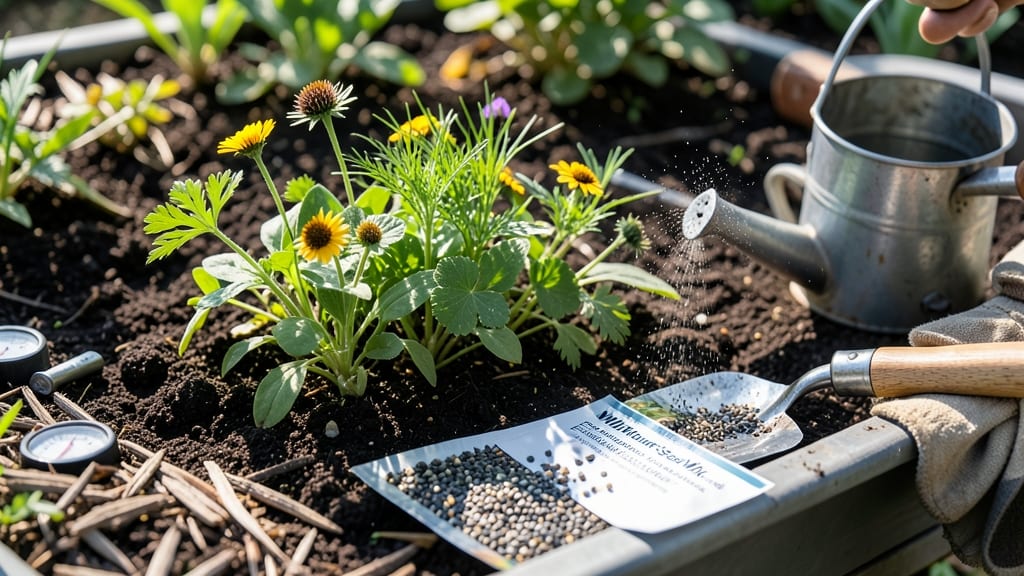
Planting wildflower seeds at the wrong time in spring can turn your dream meadow into a sad, sparse patch—especially when late frosts or scorching heat arrive unexpectedly. The key to vibrant blooms lies in knowing your local frost-free window, which varies dramatically from zone 3 to 11.
In USDA Zone 6a, where many gardeners call home, the ideal window to plant wildflower seeds opens around mid-April—after the last frost date but before soil temperatures creep too high. But timing isn’t just about dates; it’s also about soil moisture and seed type.
Annual wildflowers, like cosmos, thrive with early spring planting, while perennials, such as black-eyed Susans, often wait for slightly warmer soil.
I’ve learned the hard way that rushing too early can leave seeds vulnerable to frost, while waiting too long risks drought stress. The solution? Monitor soil temperatures (aim for 40-50°F) and adjust your schedule based on local weather patterns.
With the right approach, you’ll be rewarded with a burst of color that lasts from late spring through early fall.
Ready to transform your garden? Let’s break down exactly when to plant in your zone, plus 5 critical factors that determine success—so you can skip the guesswork and start growing with confidence.
USDA Zone-specific frost-free dates for planting wildflower seeds in spring
Planting wildflower seeds at the right time in spring ensures strong germination and vibrant blooms. The frost-free date is your golden window—plant too early, and late frosts will kill tender seedlings; too late, and summer heat arrives before seeds sprout.
Most wildflowers thrive when soil temperatures reach 40-50°F, signaling ideal conditions for planting.
Your USDA zone dictates the exact timing. Colder zones (like Zone 3-5) have shorter frost-free windows, while warmer zones (like Zone 8-11) offer more flexibility. Below, I’ve broken down the optimal planting windows by zone, including soil temperature thresholds and frost risks to avoid.
In Zone 3-4, where winters are harsh, wait until after May 1 to plant. Soil temperatures below 45°F can delay germination, and late frosts are common until June. Use black plastic mulch to warm the soil faster if needed.
Gardeners in Zone 5-6 have a slightly longer window but must stay vigilant. Plant between April 15 and May 30, but avoid sowing before April 1—late frosts can still occur. Test soil moisture; dry conditions slow seedling growth.
For Zone 7-8, early spring is ideal. Start planting as early as March 15 if soil is workable, but avoid sowing before March 1. These zones benefit from lightly raked soil to ensure good seed-to-soil contact.
Warmer zones like Zone 9-10 can plant as early as February 15, but monitor soil moisture—drought stress is a risk. In Zone 11, plant anytime from January to February, but prioritize rainy seasons for natural watering.
Pro tip: Use a soil thermometer to confirm temperatures. Wildflower seeds need consistent moisture for 2-3 weeks post-planting. Water lightly daily until sprouts appear—then reduce to weekly watering once established.
Remember, annual wildflowers (like cosmos or zinnias) are more forgiving than perennials (like coneflowers). If you miss the ideal window, consider cold stratification to trick seeds into thinking winter has passed.
🌼
5 Critical factors that determine the best planting time for wildflowers
Planting wildflower seeds at the perfect moment in spring isn’t just about checking a calendar—it’s about understanding your local environment. I’ve learned that soil moisture is the first factor to consider. Wildflower seeds need consistently moist soil to germinate, but not soggy.
A simple finger test works: push your finger 1-2 inches deep into the soil—if it feels damp but not wet, your seeds are ready.
Next, pay attention to frost patterns in your area. While most wildflowers tolerate light frost, a hard freeze can kill emerging seedlings. Use your local last frost date as a guideline, but also monitor nighttime temperatures for at least a week before planting.
If temps drop below 40°F at night, wait another week.
Here’s where it gets tricky: seed type matters more than you’d think. Annual wildflowers like cosmos and zinnia thrive when planted early, even if soil temps are cool, because they grow quickly.
Perennials like black-eyed Susans or coneflowers, however, need warmer soil (ideally 50-60°F) to establish strong roots before summer heat arrives.
- 1 Soil Moisture: Test soil dampness—aim for consistently moist but not waterlogged.
- 2 Frost Risk: Wait until nighttime temps stay above 40°F for 5+ days in a row.
- 3 Seed Type: Annuals (e.g., cosmos) can handle cooler soil; perennials need warmer soil (50-60°F).
- 4 Microclimates: South-facing slopes warm faster; low-lying areas stay cooler—adjust timing accordingly.
- 5 Rainfall Forecast: Plant when 1-2 weeks of rain are predicted to avoid drought stress during germination.
Don’t overlook regional microclimates, which can create wildly different conditions just a few yards apart. A south-facing slope, for example, warms up faster than a shady north side, meaning you can plant 2-3 weeks earlier in sunny spots.
Conversely, low-lying areas or valleys may stay colder longer, delaying your planting window.
Finally, check the rainfall forecast for the next 2 weeks. Wildflower seeds need steady moisture to germinate, so planting during a dry spell—even if soil temps are perfect—can lead to poor sprouting.
I always aim to plant when 1-2 inches of rain are predicted within 7-10 days, reducing my watering workload and improving success rates.
By focusing on these 5 critical factors, you’ll avoid the most common mistakes—like planting too early and risking frost damage or waiting too long and facing drought stress. The result? A lush, colorful meadow that thrives from spring through fall. 🌼