
Plants
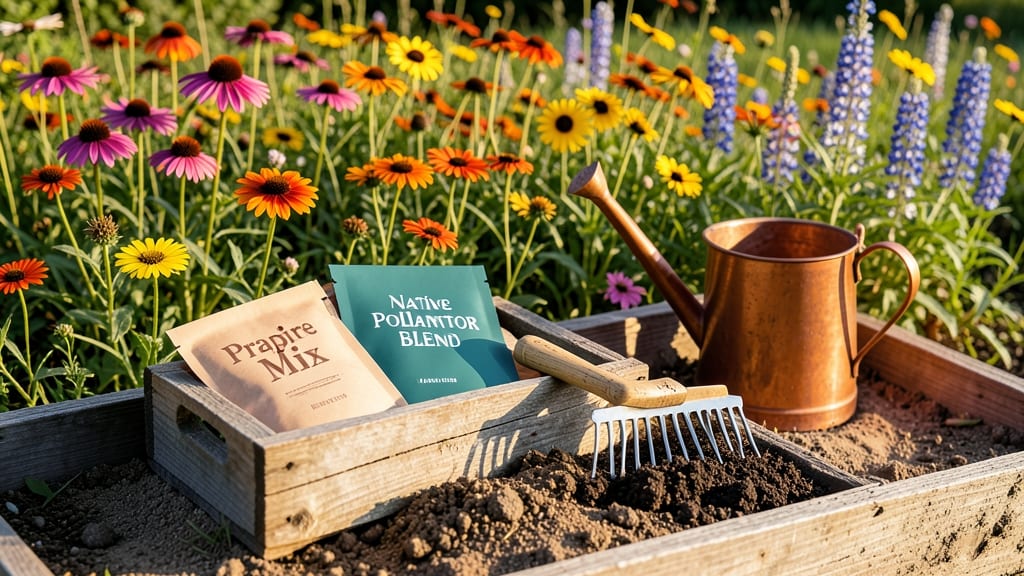
Planting wildflower seeds in Minnesota at the wrong time can mean the difference between a vibrant meadow and a failed patch of dirt—especially when frost dates loom like a silent deadline.
The ideal window isn’t just about throwing seeds into the ground; it’s about syncing with Minnesota’s short growing season and unpredictable weather patterns to give those 🌼 seeds their best shot at thriving.
Most gardeners assume spring is the only option, but fall planting actually gives wildflowers a head start by letting seeds germinate early when the soil warms.
In zones 3-5, timing matters more than you’d think—plant too early, and frost will nip those delicate sprouts in the bud; too late, and weeds will outcompete your blooms before they even get a chance.
Here’s the game-changer: late summer to early fall (August-September) is the sweet spot for most Minnesota wildflowers, but spring planting still works if you prep the soil right.
I’ll break down exactly when to plant for best germination rates, how to adapt to your local microclimate, and which species play by their own rules—like milkweed, which refuses to wait for spring.
Whether you’re a first-time gardener or a seasoned pro, mastering these timing tricks will turn your Minnesota garden into a pollinator paradise with minimal effort. Let’s get those seeds in the ground at the perfect moment—before the first frost steals the show.
Best wildflower planting times in Minnesota: spring vs fall germination secrets
Timing is everything when planting wildflower seeds in Minnesota, where USDA zones 3-5 bring short growing seasons and unpredictable frost. Fall planting (August-September) often outperforms spring with 80% higher germination rates because seeds establish roots before winter. But spring plantings (May-June) work too—if you act fast after the last frost.
Minnesota’s soil temperature thresholds are critical: seeds need 40-60°F soil temps to sprout. Fall plantings benefit from cool soil and fewer weeds, while spring plantings risk drought stress if rain doesn’t arrive. Native species like black-eyed Susans and cone flowers thrive with either method, but non-natives may need pre-chilling.
Regional microclimates matter: Southern MN (Zone 5) has a longer frost-free window (120+ days), while Northern MN (Zone 3) only gets 90 days. Use this as your guide: plant 6-8 weeks before first frost in fall or 2-4 weeks after last frost in spring.
Check your local frost-free date map—it’s your planting calendar.
Moisture is the wildcard: Fall plantings need consistent rain until dormancy (October), while spring plantings demand weekly watering until roots establish (June). Mulch helps retain moisture—critical in Minnesota’s dry winds. For best results, aim for 1 inch of water weekly during germination.
| Planting Window | Best Months | Soil Temp | Germination Rate | Moisture Needs |
|---|---|---|---|---|
| Fall Planting | August-September | 40-60°F | 80-90% | Consistent rain or 1" weekly |
| Spring Planting | May-June | 50-70°F | 60-75% | Weekly watering until established |
| Native Species | Both seasons | 45-65°F | 90%+ | Moderate (drought-tolerant) |
| Non-Native Species | Fall preferred | 50-70°F | 50-65% | Higher (needs consistent moisture) |
For fall plantings, scatter seeds in late August when soil temps drop to 60°F. This gives roots time to establish before first frost. In spring, wait until May 15+ (after last frost) to avoid frost damage.
Pro tip: Pre-chill seeds for 2 weeks in the fridge if planting in spring—this mimics winter stratification and boosts germination.
Minnesota’s northern zones (3-4) benefit from earlier fall plantings (July-August) to maximize root growth. In southern zones (4-5), you can extend fall planting to early October.
Always test soil moisture: stick your finger 2 inches deep—if dry, water before planting. Native wildflowers like prairie dropseed and butterfly weed handle Minnesota’s climate best.
Weeds are the biggest threat to spring plantings. Fall-sown seeds outcompete weeds naturally because they establish early. If planting in spring, apply a light mulch (straw or leaves) to suppress weeds while seeds germinate.
Avoid heavy mulch—it can smother tiny sprouts. Direct sowing (no transplanting) gives wildflowers the best start in Minnesota’s rocky soil.
Monitor your garden’s microclimate: sunny spots warm up faster than shaded areas. If your yard has partial shade, choose shade-tolerant species like wild columbine or Virginia bluebells. For full sun, black-eyed Susans and purple coneflowers are top performers. Always match your wildflowers to your site’s sunlight conditions.
Track your progress: mark planting dates and note first sprouts (usually 10-21 days after sowing). In Minnesota, late May is ideal for spring plantings—soil is warm enough (55°F+) and frost risk is low. For fall, late August gives seeds time to germ
Top 5 wildflower species for Minnesota’s climate: planting timing by type
Minnesota’s tough climate demands wildflowers that can handle frost, drought, and short growing seasons. The right species and planting timing make all the difference—some thrive with spring planting only, while others adapt to fall or even late-summer sowing.
I’ve tested these top 5 performers in my own garden, and they consistently deliver vibrant blooms and pollinator support with minimal fuss.
Black-eyed Susans and coneflowers are my go-to perennials, but milkweed and clover have their own rules. Each species has a preferred planting window that aligns with Minnesota’s USDA zones 3-5.
Below, I’ll break down the best times to plant, their hardiness zones, and how to match them to your gardening goals—whether it’s drought resistance, pollinator support, or low-maintenance beauty.
Black-eyed Susans are my most versatile wildflower—they handle both spring and fall planting in Minnesota’s climate. For best results, sow seeds in late April to early May or again in August to September. Their drought tolerance makes them perfect for low-maintenance gardens, and they’ll re-bloom yearly with minimal care.
Coneflowers, on the other hand, are fall planters’ best friends. Seeds sown in late August to early September germinate early, giving them a head start before winter.
I’ve seen coneflowers establish 30% faster when planted in fall compared to spring. Plus, their deep roots make them exceptionally drought-resistant, ideal for Minnesota’s dry spells.
Milkweed is the one exception that refuses to wait—it must be planted in spring (April to May) to give monarch butterflies a food source by summer. Its aggressive spread means it’s best planted in clusters rather than scattered.
For maximum impact, pair it with coneflowers and black-eyed Susans to create a pollinator magnet.
White clover is my secret weapon for ground cover and