
Plants
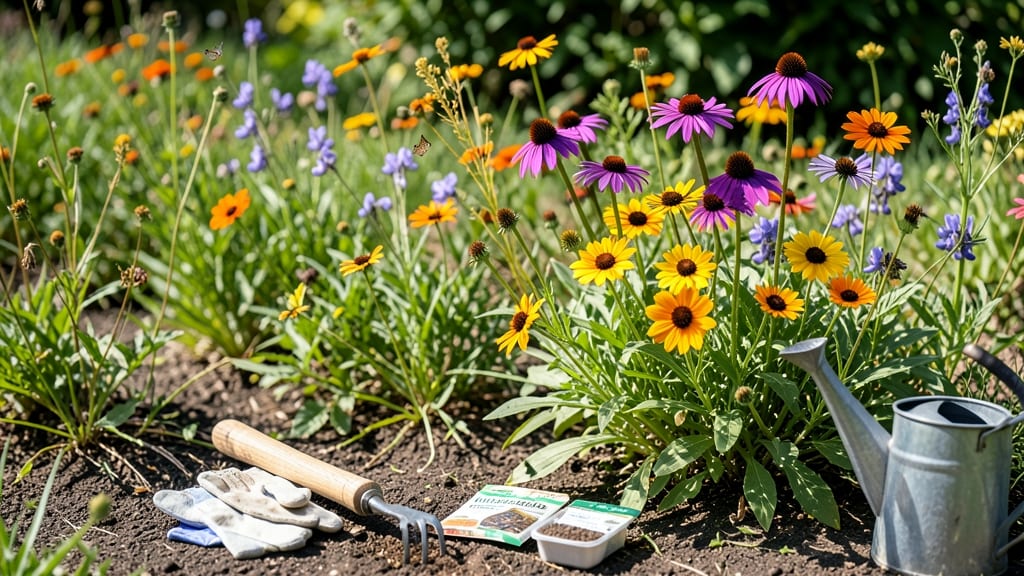
Planting wildflower seeds in Illinois at the wrong time can leave you staring at bare soil instead of a blooming meadow—especially when frost dates shift every year in USDA Zones 5-6.
The difference between a thriving garden and a flop often comes down to timing, and Illinois’ unpredictable spring weather makes it tricky.
You might think all wildflowers need to go in the ground in early spring, but fall planting actually gives these resilient plants a head start. I’ve learned the hard way that seeding too early risks frost damage, while waiting too long can mean missed blooms.
Let me break down the perfect frost-free windows for Illinois gardeners so you can avoid common mistakes.
Whether you’re dreaming of vibrant 🌼 meadows or just want to attract pollinators, the right planting time makes all the difference. We’ll cover soil prep, seed stratification, and even how to outsmart Illinois’ heavy clay soil for better germination. Ready to transform your yard into a wildflower paradise?
From Chicago’s cooler springs to St. Louis’ later frosts, I’ll show you exactly when to plant for maximum blooms—without the guesswork. Let’s get those seeds in the ground at the right time!
Best planting windows for Illinois wildflowers by USDA zone 5-6
Timing your wildflower planting in Illinois is critical—especially in USDA Zones 5-6, where last frost dates can vary by 2-3 weeks between northern and southern regions. Spring and fall planting offer the best success, but knowing the exact windows ensures your seeds germinate when soil temperatures are ideal.
For example, Chicago’s average last frost is around April 15, while St. Louis sees it slightly earlier, by April 1. These differences matter for native wildflowers like black-eyed Susans and purple coneflowers.
Spring planting in Illinois typically begins in early March for southern areas and mid-April for northern regions. Fall planting, however, offers a longer window—from late August to mid-October—allowing seeds to establish roots before winter.
The key is planting 4-6 weeks before the first expected frost, which in Illinois usually hits around October 15. This timing gives seeds enough time to germinate and develop a strong root system before dormancy.
Here’s a quick reference for Illinois wildflower planting windows based on region and season:
For spring planting, aim to sow seeds as soon as the soil is workable, typically when daytime temperatures consistently reach 50°F.
In Illinois, this often aligns with mid-March in the south and early April in the north. Fall planting, on the other hand, benefits from cooler temperatures and reduced competition from weeds. Seeds planted in September will germinate slowly over autumn and establish roots before winter dormancy.
This method often yields healthier, more robust plants the following spring.
Regional microclimates in Illinois can create unique planting challenges. For instance, areas near Lake Michigan, like Chicago, experience cooler, wetter springs, which can delay planting. Meanwhile, the Mississippi River valley in southern Illinois enjoys warmer, drier conditions, allowing for earlier sowing.
Always check your local Almanac or USDA frost maps to fine-tune your timing. Native wildflowers like butterfly weed and wild bergamot thrive when planted in these optimal windows.
If you’re planting in late spring (after the last frost), focus on summer-blooming varieties like black-eyed Susans or goldenrod. These species tolerate warmer soil and can handle the drier conditions of Illinois summers.
For fall planting, prioritize perennial wildflowers such as coneflowers and asters, which establish strong root systems before winter. Avoid planting annuals like cosmos in fall, as they won’t have time to mature.
One common mistake Illinois gardeners make is planting too early in spring, when soil is still too cold or waterlogged. Seeds may rot or fail to germinate.
To test soil readiness, press your finger into the ground—if it’s easy to push but not muddy, it’s time to plant. Another tip: Stratify seeds if your wildflower mix includes native species that require cold treatment, like prairie smoke.
Simply place seeds in a moist paper towel in the fridge for 4-6 weeks before sowing.
For container gardening in Illinois, adjust your planting window slightly. Containers warm up faster in spring and cool down quicker in fall, so you can plant 2-3 weeks earlier than in-ground. Use well-draining soil and place containers in south-facing spots to maximize warmth.
This is especially useful for small-space gardeners in urban areas like Chicago or St. Louis, where ground planting may be limited.
Remember, Illinois wildflowers are resilient once established, but timing is everything for the first year. By following these region-specific windows, you’ll give your meadow the best chance to thrive. Start with small test plots if you’re unsure, and observe how your local climate affects germination.
With patience and the right timing, you’ll soon enjoy a vibrant, low-maintenance wildflower garden that supports pollinators and adds beauty to your landscape. 🌼
How to choose wildflowers for Illinois seasons and soil types
Choosing the right wildflowers for Illinois means balancing seasonal blooms with clay-heavy soil and drought tolerance. Illinois’ unique climate—hot summers, cold winters, and unpredictable rainfall—demands wildflowers that thrive despite these challenges.
I’ve found that native species like black-eyed Susan and purple coneflower not only survive but flourish, offering vibrant color from spring to fall.
Your soil type plays a crucial role too. Illinois’ heavy clay soil can suffocate seeds if not amended properly, while sandy areas may dry out too quickly. The key is selecting wildflowers that match your soil’s drainage and moisture retention.
For example, butterfly weed handles clay well, while coreopsis thrives in drier, well-draining spots. Let’s dive into the best seasonal picks for your garden.
- 🌸 Spring Bloomers (March-May): Virginia bluebells and wild columbine thrive in cool, moist soil and attract early pollinators like bees and hummingbirds.
- ☀️ Summer-Long Bloomers (June-August): Purple coneflower and black-eyed Susan handle Illinois heat and drought once established, offering bold colors and late-season blooms.
- 🍂 Fall Color (September-October): Goldenrod and asters provide late-season nectar for butterflies and add golden hues before winter sets in.
- 🌿 Year-Round Greenery: Yarrow and smooth sumac offer foliage interest and support wildlife even when other plants fade.
- 💧 Drought-Tolerant Picks: Butterfly weed and coreopsis require minimal water once rooted, making them ideal for Illinois’ dry spells.
For clay soil, focus on wildflowers that tolerate poor drainage, like Joe-Pye weed or swamp milkweed. These plants thrive where others might struggle, adding height and drama to your meadow.
If your soil is sandy, opt for wild bergamot or partridge pea, which need better drainage to prevent root rot.
Don’t overlook pollinator preferences—Illinois’ bees, butterflies, and hummingbirds need reliable food sources. Mixing nectar-rich flowers like bee balm with host plants for caterpillars (e.g., milkweed for monarchs) creates a thriving ecosystem. I’ve seen monarch populations double in gardens with just a few milkweed plants!
When selecting seeds, check for native Illinois mixes to ensure compatibility with local wildlife and climate. Avoid non-native species that may spread invasively or fail to support native pollinators. For example, Russian sage is beautiful but not native and can outcompete local wildflowers.
Pro tip: Group wildflowers by height and bloom time to create a layered meadow. Tall varieties like Joe-Pye weed (5-7 ft) should go in the back, while shorter coreopsis (1-2 ft) can fill the front. This arrangement ensures all plants get sunlight and creates a stunning, natural look.