
Plants
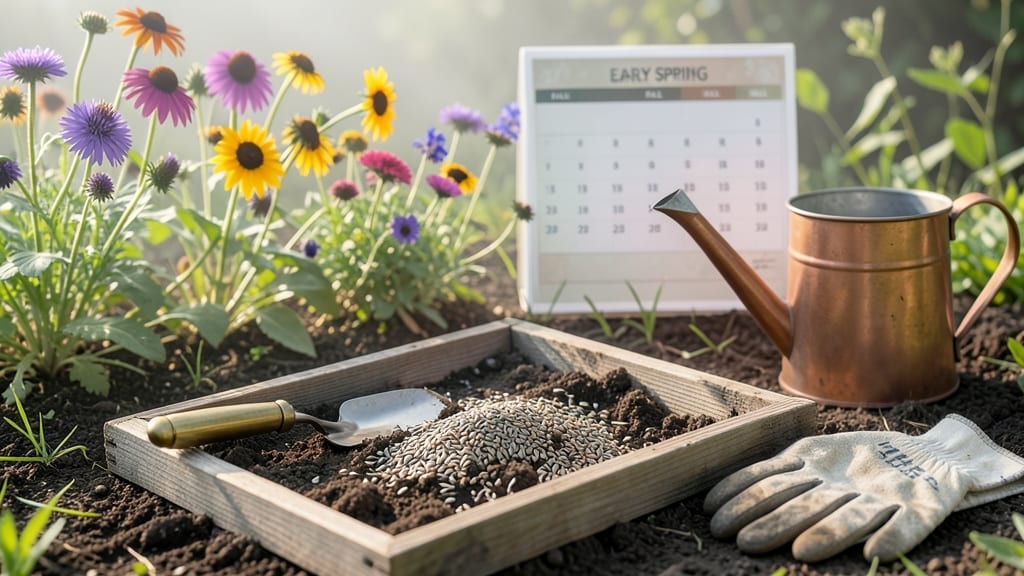
Planting wildflower seeds in Zone 5 at the wrong time can mean the difference between a vibrant meadow 🌼 and a failed experiment. The exact timing matters more than you might think, especially with Zone 5's unpredictable frost dates and hot summers.
Most gardeners in 5a-5b zones swear by two ideal windows: early spring (March-April) and early fall (August-September). But why? Spring planting gives seeds time to establish before summer heat, while fall planting takes advantage of cool soil temperatures that encourage germination.
Both strategies work—but only if you follow the right steps.
I’ve tested these methods over multiple seasons, and the results speak for themselves. Whether you’re aiming for a pollinator-friendly garden or just want to add color to your landscape, getting the timing right is the key to success. Let me show you how to do it perfectly.
From soil prep to seed selection, we’ll cover everything you need to know to ensure your wildflowers thrive. No more guessing—just proven techniques for peak blooms and long-lasting beauty in your Zone 5 garden.
Best planting windows for wildflowers in Zone 5 (fall vs spring breakdown)
In Zone 5, where winters can drop below -20°F and summers hit 90°F+, timing your wildflower seeds is the difference between a vibrant meadow and a failed patch.
The two best windows—early spring and early fall—each offer unique advantages, but both require precise execution to outsmart the climate. Let’s break down the pros, cons, and critical details for each.
Spring planting (March–April) gives seeds a longer growing season before summer heat arrives, but early frosts can still surprise tender species. Fall planting (August–September), on the other hand, lets seeds stratify naturally over winter, often producing stronger blooms the following year.
The key? Understanding your last frost date (typically April 15 in Zone 5) and soil temperature thresholds (40–60°F for germination).
Here’s the critical comparison to help you decide which window works best for your wildflower mix, whether you’re sowing native prairie blends or drought-resistant annuals like cosmos or zinnia.
For spring planting, aim to sow seeds 2–4 weeks before your last frost date. This gives them time to germinate before temperatures rise, but don’t wait too long—soil temps above 70°F can stunt growth.
If you’re planting wildflower mixes with annuals, like sunflowers or black-eyed Susans, spring is ideal for immediate color. However, if your mix includes perennials like coneflowers, fall planting will yield better long-term results.
Fall planting, though less intuitive, is a game-changer for Zone 5. Seeds sown in late summer (August–September) experience natural cold stratification, a process where moisture and cold break seed dormancy. This often leads to higher germination rates and hardier plants the following spring.
Plus, fall-sown seeds avoid the intense summer heat that can dry them out before they establish. Just ensure the soil is warm enough (50°F+) to prevent rot.
One critical adjustment for both seasons: soil preparation. Wildflower seeds are tiny and often light-sensitive, so rake the soil just enough to create a fine, crumbly surface—no deep tilling needed.
A light layer of mulch (straw or leaves) after sowing helps retain moisture and protect seeds from wind or bird interference. In dry years, a light misting every 2–3 days can make the difference between success and failure.
If you’re torn between seasons, consider planting both! Sow a fast-blooming annual mix in spring for instant color, then add perennials in fall for long-term beauty. For example, pair cosmos (spring) with purple coneflower (fall) to enjoy blooms from June through September.
Just remember: native wildflowers like bee balm or goldenrod thrive best with fall planting—they’re adapted to Zone 5’s harsh winters.
Pro tip: Check your local frost dates
How to time your planting for maximum blooms: month-by-month guide
Timing wildflower seeds in Zone 5 is all about avoiding frost and drought—two of the biggest threats to young seedlings. I’ve planted wildflowers for years in my Midwest garden, and I’ve learned that early spring and late summer are the sweet spots.
But the devil’s in the details: soil temperatures, moisture levels, and even seed stratification play huge roles in success.
For maximum blooms, you’ll need to adjust your approach based on the month. Some seeds, like Black-Eyed Susans, can handle cold stratification naturally, while others need a little help from you.
Let’s break it down month by month so you can plant with confidence and watch your meadow explode with color.
- 1 February: Cold-stratify seeds (if needed) by mixing with damp sand in a sealed bag and refrigerating for 4-6 weeks. Native prairie wildflowers like Purple Coneflower often benefit from this step.
- 2 March: Direct-sow hardy annuals like Cosmos and Zinnias once soil temps reach 40°F. Cover seeds with ¼ inch of soil and water gently to avoid washing them away.
- 3 April: Plant perennials like Butterfly Weed and Goldenrod after the last frost (typically mid-April). Use a light mulch to retain moisture and deter weeds.
- 4 August: Late-summer planting is ideal for fall-blooming wildflowers like Asters. Seeds germinate in cool soil and establish roots before winter. Water deeply 2-3 times per week to prevent drought stress.
- 5 September: Scatter winter-hardy seeds (e.g., Blue Vervain) and press lightly into soil. These seeds often need chilling to break dormancy, so planting now mimics natural conditions.
If you’re planting in spring, focus on moisture control—young seedlings are especially vulnerable to drying out. I use a lightweight row cover for the first few weeks to retain humidity without overheating the soil. For fall plantings, prioritize well-draining soil to prevent waterlogging before winter sets in.
One mistake I made early on was planting tender annuals like Sunflowers too late in spring. They bolted in the heat and never bloomed properly. Now, I stick to heat-tolerant varieties (like Mexican Sunflower) for late-summer plantings, and I always water deeply in the morning to reduce fungal risks.
For best results, combine your planting with native wildflowers suited to Zone 5. These species have evolved to thrive in your climate, meaning less fuss for you.
Just remember: patience is key—some wildflowers take 2-3 years to reach their full bloom potential, but the wait is worth it for a low-maintenance meadow that hums with pollinators.
Start with small test patches if you’re new to wildflower gardening. This way, you can experiment with timing and varieties without overwhelming your space. And don’t forget to mark your calendar for next year—your future self (and your bees!) will thank you.