
Planting
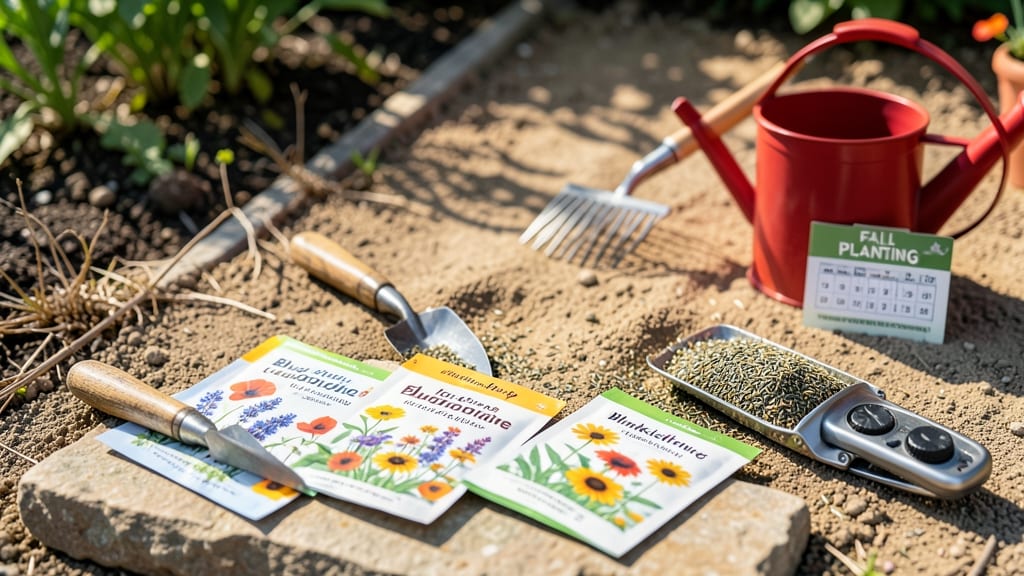
Planting wildflower seeds in Zone 9 at the wrong time could mean watching your dream meadow turn into a dusty disappointment instead of a vibrant burst of color.
The key to success? Timing your planting to align with the region's unique climate—where winter rains and mild temperatures create the perfect conditions for germination.
Unlike cooler climates where spring is the only window, Zone 9 (think Southern California, Arizona, or Florida) actually offers two ideal planting seasons: fall and winter. This means you can skip the summer heat and plant when nature does most of the work for you.
But there are still common mistakes—like planting too late in winter or ignoring soil prep—that can ruin your chances before they even begin.
What if I told you the best time to plant isn’t just about months, but about rainfall, soil temperature, and even moonlight?
In this guide, I’ll break down the exact months that work best, how to prepare your soil for maximum success, and which native wildflower mixes will thrive without extra fuss. Let’s turn your garden into a pollinator paradise—starting with the right timing.
Whether you’re a first-time planter or a seasoned gardener, these insights will help you avoid the pitfalls and create a low-maintenance wildflower haven that blooms year after year. Ready to get started? Let’s dive in.
Optimal planting months for wildflowers in Zone 9 climate
Zone 9's Mediterranean climate creates unique opportunities for wildflower enthusiasts—no frost means year-round planting potential, but timing still matters. The cool, moist winter months (October through March) offer the best conditions for seed germination, while summer planting requires extra care due to intense heat and drought.
Native wildflowers like California poppies and blanket flowers thrive when planted during fall rains, which naturally water the seeds without over-saturating the soil. This natural irrigation reduces your maintenance while maximizing success rates—something I’ve seen firsthand in my own Southern California meadow.
Here’s the key: Fall planting (October–December) aligns with natural rainfall patterns, while winter planting (January–February) gives seeds a head start before summer’s heat arrives. Spring planting (March) is possible but riskier due to drying winds and competition from weeds.
For rare off-season opportunities, some drought-tolerant species like lupines can be sown in early spring (February–March) if you’re prepared to water deeply and frequently until establishment. This strategy works best in shaded or microclimate-protected areas.
Comparison Table: Best Planting Windows for Zone 9 Wildflowers
In my Zone 9 garden, I’ve found that fall-planted wildflowers often outperform spring-sown seeds because they establish roots before summer’s heat. For example, California golden poppies sown in November bloom by April, while those planted in March may struggle to compete with weeds.
If you’re planting in summer’s peak heat (June–August), focus on shade-tolerant varieties like black-eyed Susans or coreopsis, and water deeply at dawn to prevent seed desiccation. I’ve had limited success with this method, but it’s worth trying in protected microclimates like north-facing slopes.
Avoid planting during late summer’s dry spells (September), as high temperatures and low humidity create poor germination conditions. Instead, use this time to prepare your soil by removing weeds and adding compost for fall planting.
Pro tip: Use a seed starter mix if planting outside the ideal window. This retains moisture and protects seeds from bird predation—a common issue in my open meadow plots.
Sprinkle seeds lightly over the mix, then cover with a thin layer of soil (no deeper than ¼ inch).
Remember, Zone 9’s Mediterranean climate rewards patience. While fall planting is ideal, don’t dismiss winter or even early spring opportunities—especially for native species adapted to your local conditions. With the right timing, you’ll enjoy vibrant blooms year-round with minimal effort. 🌼
How to prepare your Zone 9 soil for wildflower success
Zone 9’s unique climate—with its sandy soils in coastal areas and clay-heavy soils inland—can make wildflower gardening tricky if you don’t prep properly. Unlike cooler climates, your soil here needs to balance moisture retention and drainage while preventing erosion from occasional winter rains.
The right prep turns your plot into a wildflower magnet, ensuring seeds germinate quickly and plants thrive without constant care.
Start with a soil test to check pH and texture. Most native wildflowers prefer neutral to slightly acidic soil (pH 6.0-7.0), but sandy soils drain too fast, while clay holds too much moisture.
Amendments like compost or aged manure improve structure, but the key is working with your soil’s natural tendencies—not fighting them. Let’s break down the exact steps to get your Zone 9 soil ready for planting.
Step-by-Step Soil Prep for Zone 9 Wildflowers
- 1 Test Your Soil: Use a home pH test kit or send a sample to your local extension office. Zone 9 soils often test alkaline (pH 7.5+), which can stunt germination. Adjust with sulfur if needed.
- 2 Break Up Compacted Clay: If your soil is heavy, use a broadfork or till lightly to loosen the top 6 inches. Avoid deep tilling, which disrupts beneficial microbes.
- 3 Amend with Organic Matter: Mix in 2-3 inches of compost or well-rotted manure to improve water retention in sandy soils and drainage in clay. For erosion-prone areas, add 10% coconut coir to bind particles.
- 4 Choose Native Mulch: Spread a 1-inch layer of straw or wood chips (avoid cedar—it’s toxic) to suppress weeds and retain moisture. For slopes, use native grass mulch to prevent erosion while encouraging seed-to-soil contact.
- 5 Level and Rake: Smooth the soil surface with a fine-tooth rake to create a seed-friendly texture. For clay soils, lightly scratch the surface to improve aeration—wildflower seeds need light exposure to germinate.
- 6 Water Before Planting: Give the soil a deep soak 24 hours before seeding to settle amendments and create a moist environment for germination. In sandy soils, water daily for 2 weeks post-planting to keep seeds hydrated.
One of the biggest mistakes in Zone 9 is over-amending with rich compost, which can lead to leggy, weak plants that flop in the heat. Wildflowers thrive in lean, well-draining soil, so focus on structure over fertility.
If your soil is already nutrient-rich (like in some California valleys), skip heavy amendments and just improve texture with perlite or coarse sand.
For slopes or erosion-prone areas, consider hydroseeding with a wildflower mix—it’s a game-changer for holding seeds in place while they germinate. Just mix your seeds with a seed gel and a native mulch blend before applying.
This method mimics natural conditions where seeds land on disturbed soil after rains, giving them the perfect start.
Remember, the goal isn’t perfection—it’s functionality. Wildflowers are resilient, but they’ll reward your efforts with bold blooms and pollinator visits if you give them the right foundation.
Once your soil is prepped, timing your planting with the first winter rains will set you up for a self-sustaining meadow that needs minimal care after the first year. 🌱