
Planting
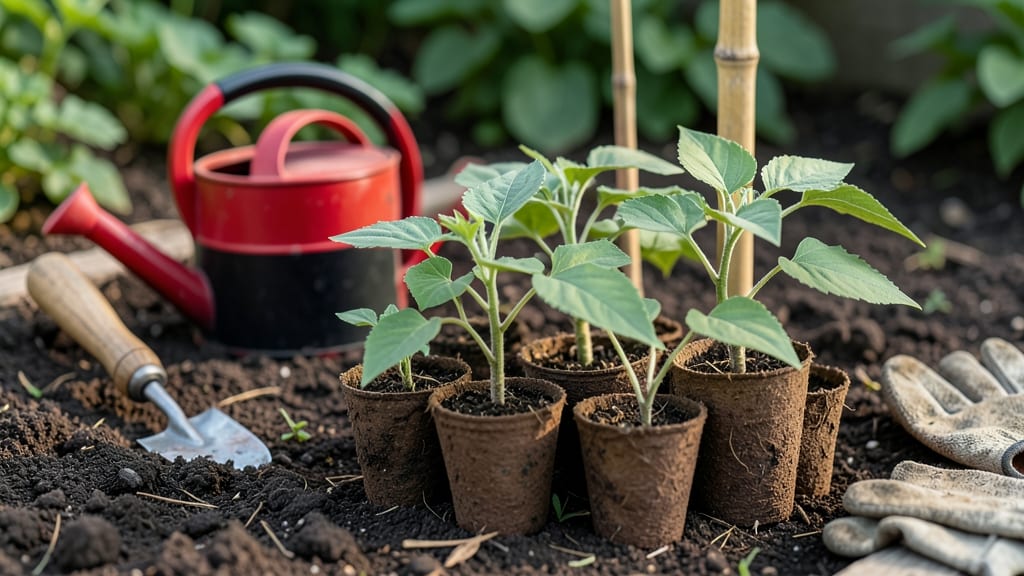
Timing your sunflower seed transplant wrong can mean the difference between towering 🌻 giants and sad, stunted plants that never bloom. If you’ve ever watched your seedlings wilt after moving them outside too soon—or worse, rot from a late transplant—you know how critical this step is.
Most gardeners in Zone 6a (and beyond) make the same mistake: rushing the process when soil is still too cold. The key isn’t just waiting until April–May—it’s checking soil temperature first.
When those roots hit 50°F+, that’s your green light. Too early, and you risk shock; too late, and you lose precious growing time.
I’ve transplanted sunflowers for years, and the fastest growth always comes from a few simple tricks: hardening off seedlings, picking the right weather window, and knowing when to skip the transplant entirely (yes, sometimes direct sowing wins). Let’s break it down so your 🌻 gets the head start it deserves.
By the end, you’ll know exactly when to move those seedlings—plus how to avoid the 3 biggest mistakes that kill sunflowers before they even think about reaching for the sky. Ready to grow giants, not flops?


The perfect soil temperature for sunflower seed transplanting
Sunflowers thrive when transplanted into soil that’s warm enough to support rapid root growth—but too cold, and your seedlings will languish. The ideal soil temperature range for sunflower seed transplanting is between 50°F and 60°F.
Below this, germination slows dramatically, and roots struggle to establish, leaving plants vulnerable to disease and transplant shock. Warmer soils above 70°F can also stress young sunflowers, so timing is everything.
Why does soil temperature matter so much? Sunflowers are C4 plants, meaning they rely on warm conditions to activate their metabolic processes. When soil is too cool, enzymes that drive root and shoot growth become sluggish.
This delay can set your entire growing season back by weeks, especially if you’re aiming for those towering 10-foot giants by summer’s end.
Testing your soil temperature is simpler than you think. Professional gardeners use soil thermometers, but even a DIY approach works. Stick a thermometer (or a reliable outdoor thermometer) into the soil about 2 inches deep—this mimics the depth where sunflower roots will first establish.
Check readings in the morning (soil is coolest) and afternoon (warmest) to get a full picture.
If you don’t have a thermometer, use the finger test: Press your finger into the soil. If it feels chilly but not freezing, it’s likely in the 50°F–60°F range.
For a quicker check, place a plastic cup filled with water in the sun—when the water warms to room temperature in 30 minutes, your soil is probably ready.
Regional differences play a huge role. In cooler climates (USDA Zones 3–5), aim for transplanting in late May or early June when soil warms to at least 55°F.
Warmer zones like Zones 7–10 can start as early as March or April, but always confirm with a soil test. Pro tip: Black plastic mulch can raise soil temperatures by 5–10°F in just days, giving you an earlier start.
Hardening off your seedlings is just as critical as soil temp. For 7–10 days before transplanting, gradually expose seedlings to outdoor conditions—start with 1–2 hours in partial shade, then increase to full sun.
This toughens their stems and leaves, reducing transplant shock. Skip this step, and you’ll end up with wilting, yellowing seedlings that struggle to recover.
Once your soil hits the sweet spot, dig holes twice as wide as the seedling’s root ball but only as deep as the container. Sunflowers hate being buried too deep—it can rot their stems.
Gently loosen the roots if they’re pot-bound, then water deeply to settle the soil. Mulch with 2–3 inches of straw to retain moisture and regulate soil temperature.
Watch for signs of stress in the first 3–5 days after transplanting. Drooping leaves or yellowing often mean the soil was too cold or the plant was overwatered. If this happens, reduce watering and shield seedlings from harsh afternoon sun with a light shade cloth until they recover.
Remember, sunflowers are fast growers—once they’re in the ground at the right temperature, you’ll see 2–3 inches of growth per week if conditions are ideal. That’s why nailing the soil temperature is your best bet for big, bold blooms by summer’s end. 🌻
Moon phase and weather tricks to maximize sunflower growth after transplanting
Timing your sunflower transplant isn't just about the calendar—it's a dance between the moon's phases and Mother Nature's mood swings. Sunflowers thrive when transplanted during the waxing moon (when the moon is growing brighter), as this phase boosts root development.
Pair that with gentle rains and calm winds, and you've got the perfect storm for strong, resilient plants.
The waxing gibbous phase (3 days before full moon) is ideal because it aligns with the sunflower's natural growth rhythm. During this time, the plant's energy focuses on establishing deep roots rather than just leafy top growth.
Meanwhile, avoid transplanting during full moons or waning phases, as these can lead to weaker stems and slower recovery.
Weather plays an equally critical role. Light rainfall in the 24 hours before transplanting helps settle the soil and reduces stress on delicate roots. Aim for 50-70°F soil temperatures and avoid days with strong winds (over 10 mph), which can dry out young plants before they establish.
Check your local extended forecast for stable conditions—sunny skies with a chance of light showers are your best bet.
🌱 5-Step Checklist for the Ideal Transplant Window
Climate zones also dictate the best transplant windows. In USDA Zones 3-5, aim for late May to early June when nighttime temperatures consistently stay above 55°F. Gardeners in Zones 6-8 can transplant as early as mid-April, while those in Zones 9-11 might start in late March.
Always align these dates with the waxing moon for the best results.
After transplanting, give your sunflowers a deep watering to help settle the soil around roots. Mulch with 2-3 inches of straw to retain moisture and regulate soil temperature. Avoid fertilizing immediately—wait 2-3 weeks to let the plants adjust before applying a balanced 10-10-10 fertilizer.
This gives them time to focus on root establishment rather than leafy growth.
Remember, sunflowers are forgiving, but timing your transplant with the moon and weather gives them the best possible start. With these tricks, you'll be rewarded with taller stems, bigger blooms, and sunflowers that stand proud in your garden all summer long. Happy planting! 🌻