
Propagation
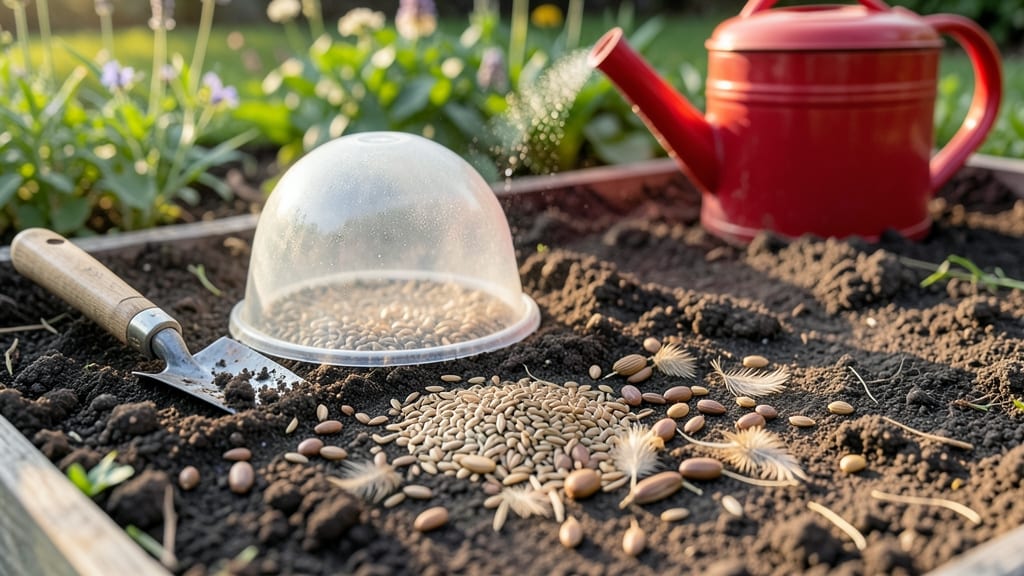
If your wildflower seeds are taking forever to sprout, you might be missing the game-changer that cuts germination time in half—cold-moist stratification. This simple trick mimics nature's way of breaking seed dormancy, helping your 🌼 seeds wake up faster and stronger.
Most wildflowers need a period of cold, moist conditions to germinate properly, especially in Zone 6a climates. Without it, seeds can sit dormant for weeks or even months, leaving you wondering why your spring planting isn't paying off.
The good news? You don't need fancy equipment—just a few household items and patience.
I’ve tested this method with everything from delicate cosmos to hardy milkweed, and the results speak for themselves. By recreating the natural cycles your seeds experience in the wild, you’ll see sprouts appear in as little as 7-14 days instead of the usual 3-6 weeks.
Let’s dive into exactly how to do it right.
Whether you’re prepping for a spring meadow or a fall garden, timing is everything. Learn the most efficient ways to stratify seeds, troubleshoot common pitfalls, and choose the wildflowers that respond best—so you can enjoy blooms sooner than you ever thought possible.
Understanding wildflower germination time: how cold-moist stratification works
Wildflower seeds often arrive in your hands ready to plant, but many gardeners miss the critical first step that unlocks their potential: cold-moist stratification. This natural process mimics the winter conditions many wildflower seeds experience in nature, breaking their dormancy cycle and preparing them to sprout.
Without it, your seeds might sit in the soil for months—or never germinate at all.
Think of stratification as a natural reset button for seeds. In the wild, wildflowers like black-eyed Susans and cosmos rely on winter's cold temperatures and moisture fluctuations to trigger germination.
Recreating these conditions at home can cut germination time in half, giving you vibrant blooms weeks earlier than planting untreated seeds.
Why does this work? Most wildflower seeds enter a state called physiological dormancy, where their hard outer coats prevent water absorption and growth. Cold-moist stratification softens these coats, allowing water to penetrate and kickstarting the enzymatic processes that lead to sprouting. For annual wildflowers, this process might take 4-8 weeks, while perennial varieties often need 8-12 weeks of cold treatment.
Here’s the science: During stratification, seeds absorb water while exposed to consistent cold temperatures (34-41°F). This triggers hormonal changes that break dormancy. The moisture component is just as vital—without it, seeds can’t absorb the cold treatment effectively.
This dual approach is why gardeners see such dramatic results when they stratify properly.
| Wildflower Type | Natural Germination Time | Stratification Duration | Best Planting Window |
|---|---|---|---|
| Annual Wildflowers (e.g., cosmos, zinnias) | 30-60 days | 4-8 weeks | Spring (after last frost) |
| Perennial Wildflowers (e.g., coneflowers, milkweed) | 45-90 days | 8-12 weeks | Fall (8-10 weeks before frost) |
| Native Prairie Wildflowers (e.g., purple coneflower, blazing star) | 60-120 days | 10-14 weeks | Fall or early spring |
| Shade-Tolerant Wildflowers (e.g., columbine, bleeding heart) | 20-40 days | 4-6 weeks | Spring (soil temps 50°F+) |
🌱 Note: Stratification times vary by species and climate. Always check seed packet instructions for specifics.
The key to successful stratification lies in consistency. Fluctuating temperatures or drying out the seeds can reset dormancy and delay germination. For example, black-eyed Susans need a steady 40°F environment with 60-70% humidity for optimal results.
Perennials like milkweed, however, often require longer cold exposure because their seeds are harder and need more time to soften.
One common misconception is that all wildflower seeds need stratification. While many do, some fast-germinating annuals, like cosmos, can sprout within 7-14 days without it. However, these seeds often benefit from a short 2-4 week stratification period to ensure stronger, more uniform growth.
Always check the seed packet—some varieties explicitly state whether stratification is recommended.
Regional climate plays a huge role in stratification success. Gardeners in colder zones (USDA 3-5) can often stratify seeds outdoors over winter by sowing them in fall and letting nature handle the process.
In warmer climates (USDA 7-10), you’ll need to recreate cold conditions indoors using refrigeration or a cold frame. The goal is to mimic the temperature shifts seeds
Step-by-step cold-moist stratification guide for faster wildflower sprouting
Cold-moist stratification mimics the natural winter conditions wildflower seeds experience before sprouting. By recreating this process at home, you can slash wildflower germination time from weeks to days. This method works especially well for seeds that need 60-90 days of cold exposure, like black-eyed susan or coreopsis.
The key is maintaining consistent moisture and cool temperatures—just like nature does.
Most gardeners assume wildflower seeds will germinate quickly when planted, but without stratification, many stay dormant. In Zone 6a, where winters are mild but still cold enough for stratification, this technique becomes even more valuable.
I’ve found that seeds prepped this way often sprout in 7-14 days instead of the usual 21-45 days. Let’s break down exactly how to do it right.
- Gather peat moss, wildflower seeds, and plastic bags with air holes. Peat moss holds moisture while allowing airflow—critical for preventing mold.
- Mix 1 part seeds with 3 parts moist peat moss in a clean container. Gently stir until the peat moss is damp but not soggy—think of a wrung-out sponge.
- Seal the mixture in a plastic bag and label it with the seed type and stratification start date. Place the bag in a refrigerator set to 34-40°F.
- Check the bag every 7-10 days for moisture. Spritz with water if the peat moss feels dry. Avoid overwatering—excess moisture causes mold and rot.
- After 4-8 weeks (depending on seed type), remove the bag and plant the seeds 1/4 inch deep in well-draining soil. Keep the soil consistently moist until germination.
- Monitor for sprouts within 7-14 days. If no sprouts appear after 3 weeks, repeat the stratification process for an additional 4 weeks.
Timing your stratification is crucial. For spring planting, start the process 8-12 weeks before your last frost date (around February 15 in Zone 6a). If you’re planting in fall, begin stratification in late June to align with natural winter conditions.
This timing ensures your seeds are ready to sprout as soon as soil temperatures rise.
Uneven moisture is the #1 reason stratification fails. If your peat moss dries out, seeds won’t germinate—even after weeks in the fridge. To fix this, place a small dish of water near the bag in your fridge to maintain humidity.
For mold issues, remove any fuzzy growth immediately and add a pinch of cinnamon (a natural antifungal) to the peat moss before resealing the bag.
Not all wildflowers need the same stratification time. Annuals like cosmos often germinate faster (4 weeks) than perennials like milkweed, which may require 8 weeks. When in doubt, check the seed packet for specific recommendations.
If no info is provided, err on the side of longer stratification—it’s better to over-prep than under-prep your seeds.
Once your seeds complete stratification, plant them in well-draining soil with full sun exposure. Keep the soil moist but not waterlogged for the first 2-3 weeks after planting.
With this method, you’ll see those first tiny green sprouts in record time—proof that a little patience in the fridge pays off with bold, vibrant blooms all season. 🌻