
Flowers
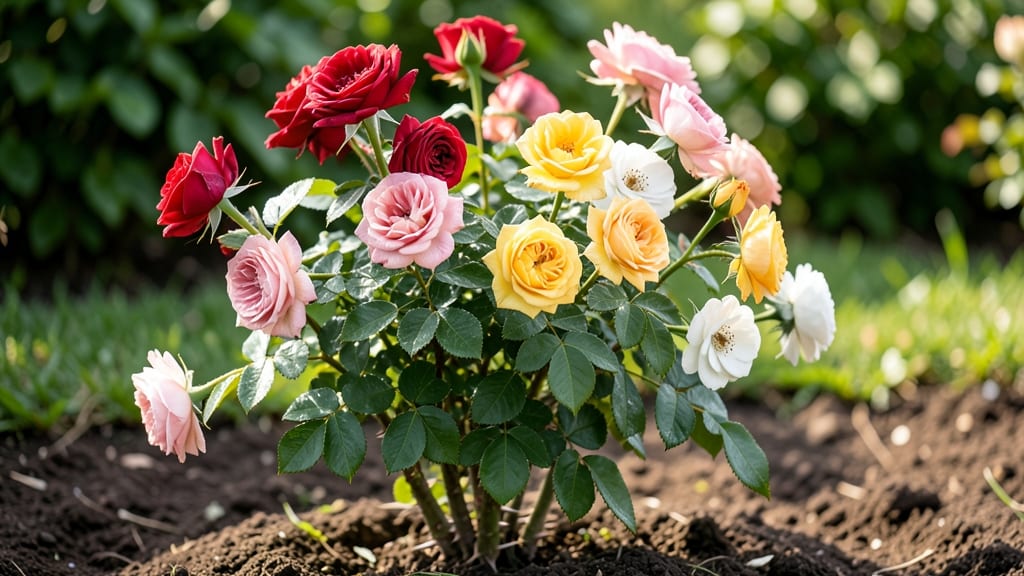
Timing the flowering season of the rose just right means the difference between a breathtaking 🌹 display and a season of missed blooms. The flowering season of rose isn't one-size-fits-all—it shifts dramatically depending on your USDA zone, variety, and even last year's frost patterns.
In Zone 6a, where I garden, roses typically burst into color in early May, but late frosts can delay things by weeks. The key to planning ahead lies in understanding your local bloom windows—whether you're growing once-blooming climbers or repeat-flowering shrubs that reward deadheading with months of color.
What if you could extend that May-to-October bloom window by weeks? I'll show you exactly how to time pruning, protect against unexpected frost, and choose varieties that defy seasonal limits. Let's turn your rose garden into a year-round showstopper.
From frost-sensitive hybrid teas to hardy Knock Out roses, we'll break down the science behind bloom timing and the simple care tweaks that make all the difference. Ready to turn your garden into a floral masterpiece?
Exact rose flowering months by USDA hardiness zones (with frost risk alerts)
Roses are one of the most beloved garden plants, but their flowering season varies dramatically depending on your USDA hardiness zone. In colder zones like Zone 3, blooms may appear as early as late May, while in Zone 10, roses can flower nearly year-round.
Understanding these patterns helps you choose the right varieties and protect delicate buds from late spring frosts.
Most roses fall into two categories: once-blooming (spring only) and repeat-blooming (multiple flushes). Once-bloomers like David Austin English roses produce their best display in May-June, while repeat-bloomers such as Knock Out roses can reward you with flowers from June through October.
However, timing is everything—especially when frost warnings loom.
Below is a zone-by-zone breakdown of when roses typically bloom, including early, peak, and late flowering periods, along with frost risk alerts for each region. Use this as your guide to plan pruning, fertilizing, and frost protection strategies.
| USDA Zone | Early Blooms | Peak Blooms | Late Blooms | Frost Risk | Notes |
|---|---|---|---|---|---|
| Zone 3 | Late May | June | July (light) | High (May-June) | Once-bloomers only; protect buds with frost cloth. |
| Zone 4 | Early June | June-July | August (repeat) | Moderate (May-June) | Repeat-bloomers thrive; prune after last frost. |
| Zone 5 | Mid-May | June-August | September | Low (late May) | Hybrid teas bloom early; deadhead for repeats. |
| Zone 6 | Late April | May-September | October (light) | Very Low | Year-round blooms possible with climates like Atlanta. |
| Zone 7 | March-April | April-October | November (mild) | None | Climbing roses excel; minimal frost risk after April. |
| Zone 8 | February | March-November | December (light) | None | Tropical roses (e.g., Noisette) bloom year-round. |
| Zone 9 | January | February-December | Year-round | None | Minimal pruning needed; focus on pests like aphids. |
| Zone 10 | December | January-November | Year-round | None | Heat-tolerant varieties like Louisiana State roses thrive. |
In Zones 3-5, late spring frosts are the biggest threat to roses. For example, a Zone 4 garden might see buds open in early June, only to be nipped by a 28°F frost—common in late May.
To mitigate this, plant repeat-blooming varieties like 'Double Delight' or 'Earth Song', which produce multiple flushes of flowers.
By Zone 6 and warmer, the risk of frost decreases significantly. In Zone 7, roses often bloom from March through October, with minimal frost concerns after April.
This is why zones like Atlanta (Zone 7b) and San Francisco (Zone 9) can support year-round rose gardens with the right variety selection.
If you live in a transition zone (e.g., Zone 6b), consider using microclimates to extend your blooming season. South-facing walls or raised beds absorb heat
How to extend your rose’s flowering season without risking frost damage
Extending your rose's flowering season without inviting frost damage starts with smart planning. I’ve learned that even hardy Knock Out roses can suffer if temperatures dip unexpectedly. The secret lies in creating a microclimate that protects blooms while encouraging longer growth.
First, choose your rose varieties wisely. Repeat-blooming types like 'Double Delight' or 'The Fairy' naturally extend their season, but pairing them with frost-tolerant habits makes all the difference. For example, planting near a south-facing wall can add 2-3 weeks of warmth to your garden.
Here’s the trade-off between organic and synthetic frost protection methods:
Organic Frost Protection
Pros
- 🌱 Eco-friendly: Uses natural materials like straw or leaves
- 💧 Improves soil: Adds organic matter over time
- 🌡️ Breathable: Allows air circulation to prevent rot
Cons
- ⏰ Less durable: Needs frequent replenishing
- 🌧️ Washes away in heavy rain
- 🐛 Attracts pests if not properly maintained
Synthetic Frost Protection
Pros
- ✅ Long-lasting: Frost cloth lasts multiple seasons
- 🛡️ More protective: Blocks colder air effectively
- 🌿 Reusable: Saves money over time
Cons
- 🌱 Less breathable: Can trap moisture and cause mildew
- 🌡️ Less insulating than thick organic mulch
- 💰 Higher upfront cost than natural options
For soil insulation, I swear by a 6-inch layer of straw mulch around the base of my roses. This traps heat during the day and releases it slowly at night, creating a 5-10°F warmer microclimate.
Pair this with frost cloth on nights below 32°F, and you’ll protect delicate blooms without smothering the plant.
Another game-changer is pruning for later blooms. Cut back late-season suckers in early summer to redirect energy toward new growth. This trick works especially well with climbing roses, which can produce a second flush of flowers if pruned correctly after their first bloom.
Finally, consider heat-tolerant varieties like 'Earth Song' or 'Radiance'. These roses thrive in Zone 7 and up and continue blooming well into October without extra protection. Combine them with drip irrigation to keep roots cool during heatwaves.
With these strategies, you can push your rose’s flowering season by 4-6 weeks—without risking frost damage. The key is balancing organic warmth with protective barriers, tailored to your local climate. 🌹