
Flowers
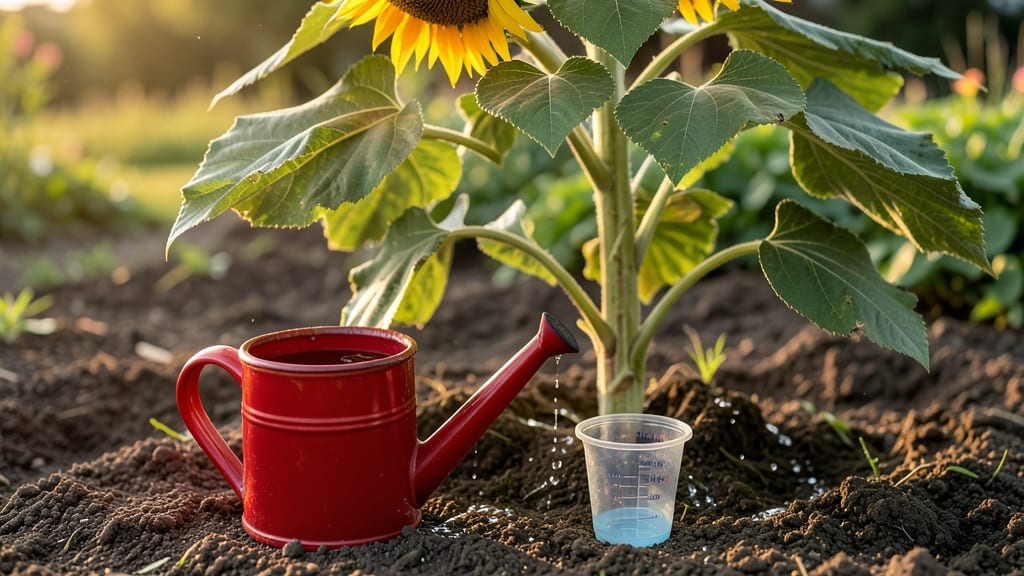
To grow thriving sunflowers 🌻, you don’t need to drown them in water—just the right amount at the right time. These towering beauties are surprisingly drought-resistant once established, but their early stages demand careful attention to hydration.
Skip the guesswork and learn exactly how much water your sunflowers need to reach their full, sun-soaked potential.
Most gardeners make one of two mistakes: either they water too frequently, leading to soggy soil and weak stems, or they wait until the plants wilt before giving them a drink.
The key is consistency—deep, infrequent watering that encourages strong root development. I’ll show you how to strike the perfect balance, whether you’re dealing with hot summer heat or unpredictable spring rains.
From seedlings to fully bloomed giants, sunflower watering needs change dramatically. A young plant might need a drink every 3 days, while a mature sunflower can stretch its roots deep into the soil, surviving on weekly waterings.
We’ll break down the science behind their thirst and share pro tips to keep your sunflowers happy without wasting a drop.
Ready to master the art of sunflower hydration? You’ll discover how to read your plants’ signals, adjust for your climate, and even cut back on watering by 40% using smart techniques. Let’s make sure your sunflowers drink just enough to shine brighter than ever.
Sunflower watering schedule by growth stage: deep roots vs. shallow needs
Sunflowers are deep-rooted survivors that adapt their water needs as they grow. Young seedlings demand consistent moisture to establish roots, while mature plants develop drought-resistant resilience once their roots reach 3-4 feet deep. Understanding these stage-specific needs prevents common mistakes like overwatering seedlings or underwatering flowering stalks.
The key to success lies in deep watering techniques and soil moisture monitoring. Unlike shallow-rooted plants, sunflowers reward you for watering deeply but infrequently—a schedule that mimics natural rainfall patterns. This approach strengthens their taproots and reduces fungal risks from surface moisture.
| Growth Stage | Root Depth | Water Frequency | Water Amount | Key Tips |
|---|---|---|---|---|
| Seedling (0-4 weeks) | 0-6 inches | Every 2-3 days | 1/2 inch per week | Keep soil moist; use misting for young leaves |
| Vegetative (4-8 weeks) | 6-18 inches | Every 3-5 days | 1-1.5 inches per week | Water at base; avoid wetting foliage |
| Flowering (8-12 weeks) | 18-36 inches | Every 5-7 days | 1.5-2 inches per week | Deep soak to encourage seed development |
| Seed Development (12+ weeks) | 36+ inches | Every 7-10 days | 1-1.5 inches per week | Reduce water as seeds mature; mulch heavily |
During the seedling stage, I focus on gentle but frequent watering—never letting the top inch of soil dry out. Use a fine-mist spray for young plants to prevent seedling rot while keeping their delicate leaves hydrated.
This is also when mulching with straw pays off big, locking in moisture and protecting tender stems from temperature swings.
As sunflowers enter the vegetative stage, their roots explode downward at an astonishing rate—up to 2 inches per day! Shift to deep watering sessions every 3-5 days, delivering water directly to the soil rather than overhead.
I use a soaker hose or drip irrigation to avoid wetting foliage, which reduces fungal risks like powdery mildew—a common enemy of sunflowers.
The flowering stage demands the most water, but here’s the secret: less frequent, deeper watering prevents stress cracks in stems. Aim for 1.5-2 inches of water weekly, delivered in the early morning to let foliage dry before nightfall.
This is when drought-resistant varieties like 'Autumn Beauty' shine—they’ll bloom even with slightly reduced water.
For seed development, I cut back slightly on watering—1-1.5 inches weekly—to let seeds mature properly. Overwatering here can cause seed splitting or mold growth. Instead, focus on mulching with wood chips to retain moisture while preventing weeds.
This stage is also when rainwater collection becomes invaluable, as it’s naturally softer and cooler than tap water.
To test soil moisture, I use the finger test: Stick your index finger 2 inches deep. If it feels dry, it’s time to water. For deeper checks, use a moisture meter or a wooden skewer—if it comes out clean, your sunflowers have enough water.
This method saves 30% more water than guessing.
One of my favorite drought-proofing tricks is reflective mulch. Lay down white landscape fabric under straw mulch—it reflects sunlight, reducing soil evaporation by up to 40%. Pair this with companion planting (like beans or borage) to improve soil structure and water retention naturally.
Remember, sunflowers are champions of resilience. Once established, they can survive short droughts with minimal wilting. The key is consistency—never letting them dry out completely, but also avoiding soggy soil. With this stage-specific schedule, your sunflowers will reward you with vibrant blooms and tower
Signs of overwatering and underwatering sunflowers: what your plant’s leaves are telling you
Your sunflowers 🌻 are sending you silent SOS signals through their leaves—and ignoring them can mean the difference between a 10-foot giant and a sad, stunted shrub. Overwatering and underwatering both cause stress, but the symptoms look completely different.
The key is learning to read your plants’ leaf language before the roots suffer permanent damage.
When sunflowers get too much water, their leaves turn a yellowish-green and feel soggy to the touch. This happens because excess moisture cuts off oxygen to the roots, leading to root rot.
Meanwhile, underwatered sunflowers show crispy, brown edges and leaves that droop dramatically—even in the morning. Both conditions weaken your plant’s defenses, making it vulnerable to pests like aphids and diseases.
Here’s the tricky part: sunflowers are drought-tolerant once established, but their early stages are delicate. Seedlings need consistently moist soil, while mature plants can stretch their roots deep for water. The mistake I see most often? Gardeners water based on schedule instead of soil conditions. Let’s fix that.
Overwatering vs. Underwatering: Sunflower Symptoms
Overwatering
- Yellow leaves (bottom first)
- Soggy soil that stays wet for days
- Fungal growth at soil line
- Stunted growth despite frequent watering
- Mushy stems when pressed
⚠️ Fix: Let soil dry 1-2 inches deep before watering. Improve drainage with perlite or sand.
Underwatering
- Crispy brown edges on leaves
- Wilting even in morning
- Dry, cracked soil around roots
- Slow growth despite warm weather
- Leaves curl upward (like a question mark)
💧 Fix: Water deeply until soil is moist 6 inches down. Mulch to retain moisture.
Root health is the real story here. Overwatered sunflowers develop black, mushy roots that smell foul, while underwatered ones grow shallow and brittle, struggling to support the plant’s weight. To check root health, gently dig around the base—healthy roots should be white or tan and firm to the touch.
Here’s my pro tip: Morning watering is your best friend. It gives excess moisture time to evaporate and prevents fungal diseases like powdery mildew. If you notice white powder on leaves, that’s a red flag—cut back on watering and spray with neem oil.
For underwatered plants, focus on deep watering (1-2 inches per week) rather than frequent light drinks.
Remember, sunflowers are resilient once they’ve built a strong root system. The first 6-8 weeks are critical—keep soil consistently moist but never waterlogged. After that, they’ll reward you with drought-resistant growth that requires minimal maintenance.
Pay attention to those leaves, and your sunflowers will thank you with vibrant blooms and towering height.