
Plants
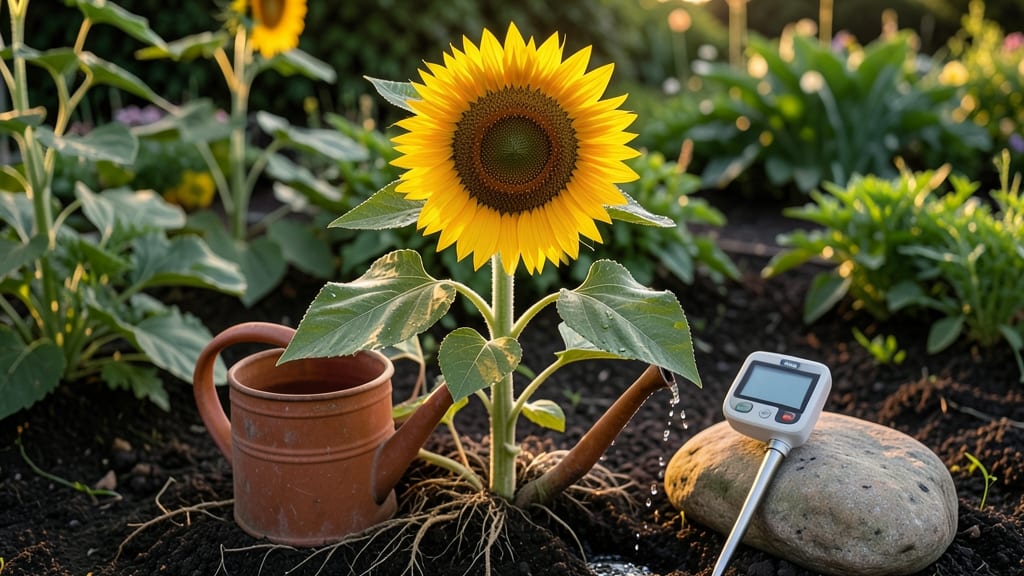
Wondering how often you should water your sunflower plant to keep it thriving? The answer isn't as simple as you might think—overdoing it or skipping watering can both spell trouble for your 🌻 sunflower.
Too much water drowns roots, while too little stunts growth, leaving you with a sad, droopy plant instead of a towering beauty.
I’ve learned the hard way that sunflowers in USDA Zone 6a need a delicate balance, especially during their spring planting and summer growth. The key is checking the soil, not just following a rigid schedule.
A quick finger test in the dirt tells you more than a calendar ever could—damp but not soggy is the sweet spot.
In this guide, I’ll break down the exact watering routine for each stage of your sunflower’s life, from tiny seedlings to full bloom. You’ll discover how to adjust for heatwaves, rainy spells, and even your soil type—because what works for sandy ground won’t cut it for clay.
No guesswork, just healthy, happy sunflowers.
Ready to master the art of watering? Let’s dive into the simple soil check method that’ll save you time, water, and frustration—so you can enjoy those stunning blooms from July to September without a hitch.
Sunflower watering schedule by growth stage: when and how much to water
Sunflowers are sun-loving giants that need precise watering to thrive, but their needs change dramatically from seedling to full bloom. Understanding these growth-stage watering guidelines ensures your sunflowers grow tall and strong without wasting water or risking disease. Let’s break down the ideal watering schedule for each phase of growth.
Newly sprouted sunflower seedlings require consistent moisture to establish roots, while mature plants can tolerate brief dry spells. The key is monitoring soil moisture levels rather than following a rigid schedule.
Overwatering at any stage can lead to root rot, while underwatering stunts growth or causes buds to drop before blooming.
| Growth Stage | Watering Frequency | Water Amount | Soil Moisture Goal | Key Tips |
|---|---|---|---|---|
| Seedling (0-2 weeks) | Every 1-2 days | 1/2 inch per watering | Keep soil evenly moist | Use shallow trays; avoid wetting leaves |
| Vegetative (3-6 weeks) | Every 3-4 days | 1-2 inches per watering | Top 2 inches dry between waterings | Water deeply at base; mulch to retain moisture |
| Flowering (7-12 weeks) | Every 5-7 days | 2-3 inches per watering | Top 3 inches dry between waterings | Reduce frequency if buds appear dry |
| Mature (12+ weeks) | Every 7-10 days | 3+ inches per watering | Deep watering only | Drought-tolerant; prioritize during heatwaves |
During the seedling stage (0-2 weeks), sunflowers need frequent watering to prevent their delicate roots from drying out. Aim for 1/2 inch of water every 1-2 days, keeping the soil consistently moist but never soggy.
Use a spray bottle or gentle watering can to avoid disturbing the tiny sprouts, and consider placing a humidity dome over seedlings if your climate is dry.
As your sunflowers enter the vegetative stage (3-6 weeks), they’ll start growing rapidly, and their water needs increase. At this point, water every 3-4 days, delivering 1-2 inches of water per session.
Focus on watering at the base of the plant to encourage deep root growth, and apply a 2-3 inch layer of mulch to retain moisture and suppress weeds. Avoid wetting the leaves to prevent fungal diseases like powdery mildew.
When your sunflowers begin flowering (7-12 weeks), they require deeper watering to support their heavy blooms. Reduce frequency to every 5-7 days but increase the amount to 2-3 inches per watering.
This stage is critical—underwatering can cause buds to drop, while overwatering may lead to weak stems. Monitor the soil closely; if the buds appear dry or wilted, it’s time to water immediately.
Once your sunflowers reach maturity (12+ weeks), they become more drought-tolerant and can handle longer intervals between waterings. Water every 7-10 days, delivering 3+ inches of water per session to encourage deep root development.
During extreme heat, increase frequency to every 5-7 days to prevent stress. If you’re growing sunflowers in containers, they’ll dry out faster and may need daily watering during hot spells.
Adjust your watering schedule based on weather conditions and soil type. Sandy soils drain quickly and may require daily watering during the seedling stage, while clay soils retain moisture longer and can go longer between waterings.
Always water in the early morning to reduce evaporation and fungal risks, and avoid watering at night when moisture lingers on leaves.
Signs of overwatering include yellowing leaves, wilting despite moist soil, and a foul odor from the soil. If you notice these symptoms, reduce watering and improve drainage by amending the soil with compost or perlite.
Conversely, underwatered sunflowers will show signs like drooping leaves, crispy edges, and stunted growth. If you see these, water deeply and mulch to retain moisture.
With this stage-specific watering approach, your sunflowers will grow tall, strong, and vibrant, rewarding you with stunning blooms and perhaps even edible seeds. Pay attention to their needs at each phase, and you’ll enjoy a thriving sunflower patch all season long.
The soil check method: how to test moisture for perfect sunflower hydration
Testing your sunflower’s soil moisture is the secret to avoiding both overwatering and underwatering. Unlike rigid schedules, this method adapts to your plant’s real-time needs. Start by sticking your finger about 1-2 inches deep into the soil near your sunflower’s base—this is where the roots actively absorb water.
The ideal moisture level feels like a damp sponge, not a dripping wet one. If the soil clings to your finger but doesn’t feel soggy, your sunflower is perfectly hydrated. This method works for both seedlings and mature plants, though young sunflowers need more frequent checks.
Visual cues also help: healthy soil around sunflowers should look dark and crumbly, not cracked or muddy. If the topsoil is dry but deeper layers stay moist, your plant is conserving water efficiently—no need to water yet!
⚠️ callout warning style="background-color: #fff5f5; border-left: 4px solid #ff6b6b; padding: 15px; margin: 20px 0; color: #721c24;"> ⚠️ Common Mistake: Watering on a Schedule
Many gardeners water sunflowers every 2-3 days without checking soil, leading to root rot or wilting. Sunflowers in containers dry out faster than in-ground plants—check daily in hot weather. Morning watering prevents fungal issues, but never water at night.
For a more precise approach, use a moisture meter ($10–$20 at garden centers). These tools measure moisture levels digitally, eliminating guesswork. Insert the probe near your sunflower’s roots and aim for readings between 40-60%—any lower means it’s time to water.
Adjust your routine based on soil type: sandy soil drains quickly, while clay holds moisture longer. If your sunflower’s leaves start yellowing or curling, it’s a cry for help—either too much or too little water. Mulching with straw or wood chips retains moisture and keeps roots cool.
Remember, sunflowers are drought-tolerant once established, but seedlings need consistent moisture. By mastering the soil check method, you’ll save water, prevent stress, and enjoy those vibrant blooms from July to September.