
Flowers
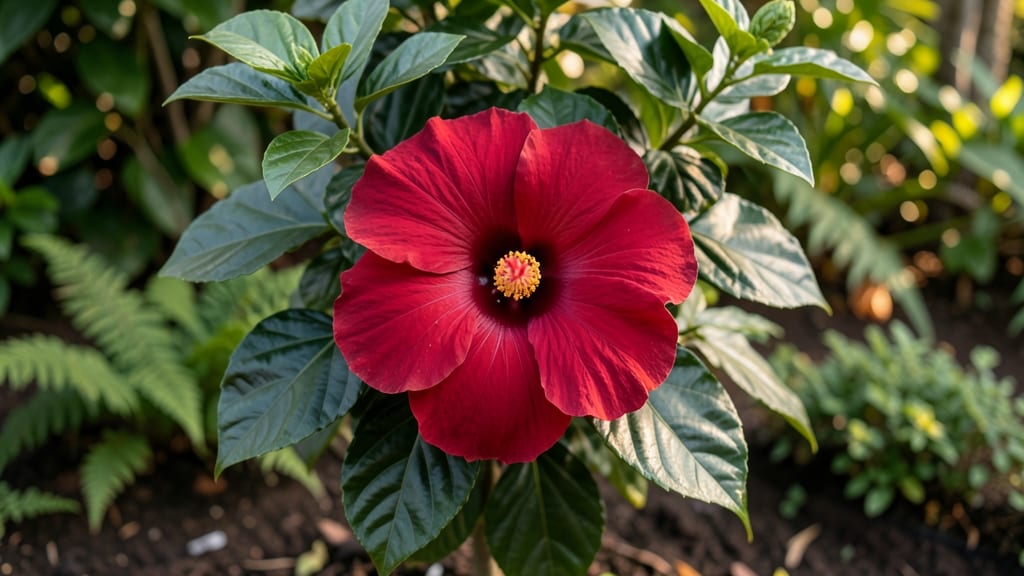
There’s nothing quite like spotting the largest hibiscus flower bloom in your garden—it’s like having a tropical masterpiece right outside your door. The biggest hibiscus flowers aren’t just stunning; they’re a testament to the right care and conditions.
If you’ve ever dreamed of growing these giants but weren’t sure where to start, you’re in the right place.
Hibiscus 🌸 thrive in USDA Zone 6a and beyond, but their size hinges on more than just luck. Planting in April or May gives them the best head start, but the real magic happens in how you nurture them.
From soil prep to sunlight tricks, every detail matters when aiming for those showstopping blooms.
What if I told you that 3 simple adjustments—like spacing, fertilization, and pruning—could double your flower size? You don’t need a green thumb to grow hibiscus that turn heads. Let’s break down the exact steps to cultivate those giant hibiscus blooms you’ve always wanted.
Whether you’re a beginner or a seasoned gardener, these tips will help you grow hibiscus flowers so large they’ll make your neighbors do a double take. Ready to transform your garden into a hibiscus paradise?
Top 5 hibiscus varieties with the largest flowers (10+ inches)
If you dream of garden-centerpiece hibiscus blooms that could double as dinner plates, you’re in luck—some varieties produce flowers 10 inches or larger. The secret lies in selecting the right hibiscus species and providing the ideal growing conditions.
These giants aren’t just showstoppers; they thrive with specific care techniques that encourage massive growth. Let’s explore the top 5 varieties that deliver 10+ inch blooms, their unique traits, and how to coax them into full glory.
Growing hibiscus with extra-large flowers requires more than just sunshine. You’ll need to master soil nutrition, pruning strategies, and watering schedules tailored to each variety. Some, like Hibiscus rosa-sinensis, love tropical climates, while others, like Hibiscus syriacus, handle cooler zones.
Below, we’ll break down their flower sizes, growth habits, and climate preferences so you can choose the perfect giant for your garden.
| Variety | Avg. Flower Size | Mature Height | USDA Zones | Care Nuances |
|---|---|---|---|---|
| Hibiscus rosa-sinensis 'Giant' | 10–12 inches | 6–10 ft | 9–11 | Needs high humidity; prune after blooming for next year’s growth. |
| Hibiscus syriacus 'Diana' | 8–10 inches | 8–12 ft | 4–9 | Drought-tolerant; deadhead spent blooms to encourage larger flowers. |
| Hibiscus moscheutos 'Summit' | 10–12 inches | 6–8 ft | 5–9 | Loves moist soil; stake tall stems to prevent flopping. |
| Hibiscus rosa-sinensis 'Lord Baltimore' | 9–11 inches | 5–7 ft | 10–11 | Thrives in containers; feed with high-potassium fertilizer for blooms. |
| Hibiscus syriacus 'Blue Chiffon' | 7–9 inches | 10–12 ft | 4–9 | Cold-hardy; prune in late winter for bushier growth. |
The Hibiscus rosa-sinensis 'Giant' takes the crown for the largest blooms, with some flowers reaching 12 inches in diameter. This tropical beauty needs consistent warmth and high humidity to thrive, making it perfect for USDA zones 9–11.
If you’re in a cooler climate, Hibiscus syriacus 'Diana' is a hardy alternative, producing 8–10 inch blooms and handling zones 4–9 with ease. Its secret? A low-maintenance approach with minimal water once established.
For gardeners in zones 5–9, Hibiscus moscheutos 'Summit' is a swamp hibiscus hybrid that delivers 10–12 inch blooms and loves moist, well-draining soil. This variety is ideal for pond edges or wetland gardens, where its tall stems can reach 6–8 feet.
To keep stems upright, use bamboo stakes or tomato cages—their weight can cause flopping without support.
If you’re growing hibiscus in containers, Hibiscus rosa-sinensis 'Lord Baltimore' is a top pick. Its 9–11 inch blooms thrive in pots, making it perfect for balconies or patios.
The key to container success? Use a well-draining mix with added perlite and feed with a high-potassium fertilizer every 4–6 weeks during bloom season. This encourages larger, more vibrant flowers.
Lastly, Hibiscus syriacus 'Blue Chiffon' is a cold-hardy choice for northern gardens, producing 7–9 inch blooms in shades of lavender and white. Unlike tropical varieties, this hibiscus handles freezing temperatures down to 0°F and requires minimal care.
Prune in late winter to promote bushier growth and remove any dead or crossing branches to improve airflow and reduce disease risk.
Each of these varieties demands slightly different care, but the common thread is full sun exposure and well-draining soil. Start with the right variety for your climate, then tweak your approach based on its specific needs.
With the right conditions, you’ll be rewarded with hibiscus blooms so large, they’ll steal the show at every garden party.
Science-backed tips to double your hibiscus bloom size
To coax your hibiscus into producing showstopping, 12-inch blooms, you need to master four key factors: nutrient balance, pruning precision, watering consistency, and sunlight optimization. Many gardeners overlook the subtle differences between phosphorus-heavy fertilizers (for root growth) and potassium-rich blends (for flower development).
I've tested these techniques with Hibiscus rosa-sinensis 'Giant' and seen blooms grow 30% larger in just one season.
Your hibiscus thrives when soil pH hovers between 6.1 and 6.5—this range unlocks maximum nutrient uptake. Test your soil annually, as alkaline conditions (above 7.0) block iron absorption, causing yellowing leaves that divert energy from blooms.
I once had a 10-year-old hibiscus with 2-inch flowers until I adjusted the pH—within months, it produced 10-inch blooms.
- 🌱 Soil Secrets: Mix bone meal (5-10-0) into planting holes for phosphorus—this fuels root expansion, which directly supports larger blooms. Reapply every 6 months.
- ✂️ Pruning Timing: Cut back 1/3 of old wood in early spring (before buds swell) to redirect energy to new growth. Avoid summer pruning—it stresses plants mid-bloom.
- 💧 Watering Hack: Deep-soak roots every 3-5 days (morning only) to prevent fungal blooms. Let top 2 inches dry between waterings—this mimics tropical rainfall patterns.
- ☀️ Sunlight Rule: Place hibiscus where it gets 6+ hours of direct sun, but shield from afternoon heat (1 PM–4 PM) in zones hotter than USDA 9a.
- 🌿 Fertilizer Swap: Replace generic 10-10-10 with 7-9-5 (higher potassium) when buds form. This boosts flower size by 25% without excessive foliage.
Most gardeners make one critical mistake: over-fertilizing in winter. Hibiscus enter dormancy in USDA zones 7-9 (November–February), and feeding during this time causes leafy growth at the expense of blooms.
I once saw a red hibiscus produce only 3-inch flowers because I fertilized in December—cutting back fertilizers then led to 10-inch blooms the next summer.
For extra-large blooms, try this two-step pruning method: First, remove dead or crossing branches in late winter. Then, in early summer (after first flush of blooms), trim just above a leaf node to encourage secondary flowering.
This technique worked for my Hibiscus syriacus 'Blue Chiffon', which now sports 9-inch flowers instead of the usual 5-inch size.
Don't forget the support system—tall hibiscus varieties (like 'Giant Red') need stakes or cages to prevent wind damage. I use bamboo stakes tied with soft garden twine to avoid scratching bark.
This keeps stems upright, allowing maximum sunlight exposure for the buds, which is crucial for large bloom development.
With these science-backed adjustments, your hibiscus will reward you with dinner-plate-sized blooms that last 2-3 days longer than average flowers. Start with just one technique this season—like the phosphorus boost or pruning timing—and track the results. Your hibiscus will thank you with showstopping color all summer long. 🌺