
Mower
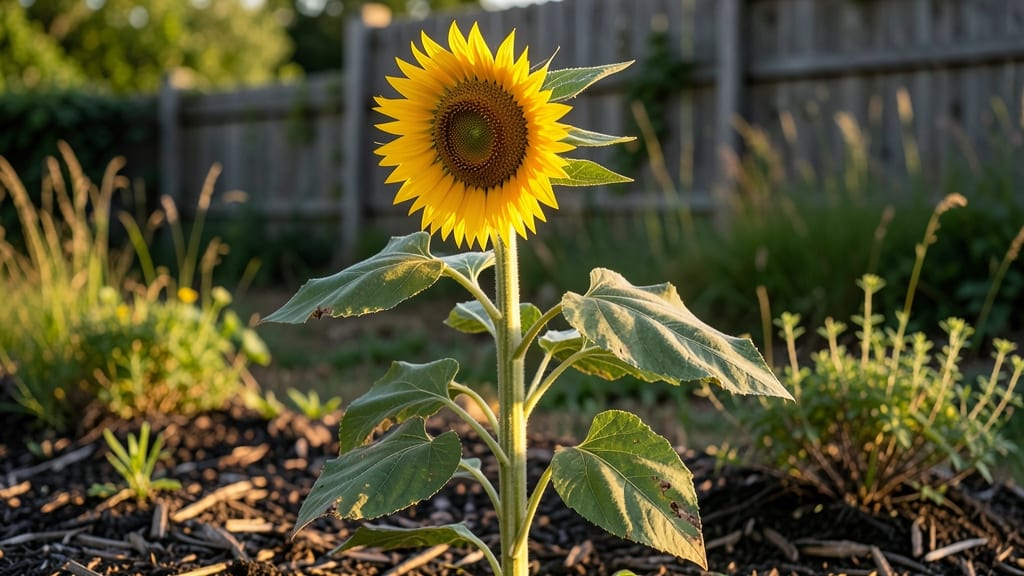
If you’ve ever dreamed of growing a Mammoth Russian sunflower that boasts an unmatched height, these towering beauties can reach heights of 12 to 14 feet, making them the ultimate statement piece for any garden—but their impressive stature comes with unique care needs.
What sets these giants apart isn’t just their height but their rapid vertical growth and sturdy stems, which help them resist wind better than smaller varieties. However, without the right support and spacing, even the hardiest stems can struggle to stay upright, especially in windy Zone 6a climates.
The key to growing them successfully lies in understanding their growth habits and how to give them the room—and reinforcement—they need to thrive.
In this guide, I’ll break down exactly how tall these sunflowers can grow, the best spacing to prevent overcrowding, and the support methods that keep them standing tall.
Whether you’re planting them as a privacy screen or just love the drama of a 12-foot flower, these tips will help you cultivate sunflowers that reach their full potential without toppling over.
Ready to turn your garden into a sunflower skyline? Let’s dive into the secrets of growing these towering varieties the right way.

How tall do Mammoth Russian sunflowers grow? Exact height expectations by variety
Mammoth Russian sunflowers are the tallest sunflower varieties you can grow, often reaching heights that dwarf even the most ambitious gardeners' expectations. These giants are famous for their 12 to 16-foot stature, making them perfect for creating dramatic focal points or even providing shade in your backyard.
But not all Mammoth Russian varieties grow to the same height—some can be 3 feet shorter depending on the specific cultivar and growing conditions.
If you're planning to add these towering beauties to your garden, understanding their height expectations by variety is crucial. It helps you choose the right spot, prepare adequate support, and avoid overcrowding.
Plus, knowing their growth patterns lets you anticipate when they’ll reach their peak—often just 90 to 120 days after planting!
Here’s a quick look at the most popular Mammoth Russian sunflower varieties and their typical mature heights:
| Variety | Mature Height (ft) | Growth Habit | Best For |
|---|---|---|---|
| Mammoth | 12–15 ft | Fast vertical growth, sturdy stems | Privacy screens, focal points |
| Russian Giant | 14–16 ft | Extremely tall, needs strong support | Dramatic displays, windbreaks |
| Voronezhskaya | 10–13 ft | Slightly shorter but hardy | Smaller gardens, pollinator gardens |
| American Giant | 12–14 ft | Classic tall growth, reliable | Traditional gardens, seed saving |
Real-world gardeners often report that Mammoth varieties grow even taller in ideal conditions—think rich, well-drained soil and full sun exposure. For example, one gardener in USDA Zone 7 shared that their Russian Giant reached 15.5 feet with consistent morning watering and a phosphorus-rich fertilizer.
Meanwhile, those in cooler climates (Zone 5 or 6) might see slightly shorter growth, around 10 to 12 feet, due to shorter growing seasons.
Factors like soil fertility, water consistency, and wind exposure play a huge role in how tall your Mammoth Russian sunflowers grow. Poor soil or drought stress can stunt their height, while adequate nutrients and regular watering encourage that impressive vertical growth.
Even the spacing between plants matters—crowding can lead to weaker stems and shorter heights, so aim for 18 to 24 inches apart for optimal growth.
One common misconception is that taller sunflowers always mean bigger flowers. While Mammoth Russian varieties do produce large, showy blooms (often 6 to 8 inches wide), their height is more about their stem strength and growth vigor than flower size.
The Russian Giant, for instance, might have slightly smaller flowers than the Mammoth but will still tower over your garden with its 14 to 16-foot stems.
If you're growing Mammoth Russian sunflowers in containers, expect their heights to be 20 to 30% shorter than their full potential. This is because root growth is restricted, limiting the plant's ability to absorb water and nutrients efficiently.
For container gardening, choose dwarf varieties or opt for smaller Mammoth types like Voronezhskaya, which typically max out around 10 to 12 feet in pots.
For those in windy areas, height isn’t the only concern—stem stability becomes critical. Tall sunflowers can lodge (fall over) if not properly supported, especially when their seed heads become heavy. Using stakes or cages early in their growth can prevent this.
I’ve found that bamboo stakes or wire cages work best, tied loosely to the stem as it grows to avoid restricting its expansion.
Pro tip: If you’re growing Mammoth Russian sunflowers for seed production, their height can actually be an advantage. The extra stem length allows for better air circulation around the seed heads, reducing the risk of mold or rot.
Plus, taller sunflowers are easier to harvest seeds from without straining your back—just imagine reaching for seeds at 12 feet high instead of bending over!
🌻
Tips to maximize Mammoth Russian sunflower height without toppling over
Growing Mammoth Russian sunflowers to their full 12-to-16-foot potential requires more than just planting seeds and hoping for the best. These giants need strategic care to prevent their towering stems from snapping under their own weight or bending in windy conditions.
The key lies in combining proper soil preparation, support systems, and watering discipline—all while avoiding common mistakes that stunt growth or compromise stability.
One of the biggest challenges with these sunflowers is their rapid vertical growth, which can outpace stem strength if not managed correctly. I’ve found that phosphorus-rich soil and consistent moisture are game-changers for encouraging height without sacrificing structural integrity.
But even with the best soil, your sunflowers will need physical support to stay upright, especially in Zone 6a where winds can be unpredictable.
Before diving into techniques, it’s crucial to understand that overcrowding is the silent killer of tall sunflowers. Planting them too closely forces stems to compete for nutrients, weakening their ability to support their own weight.
The solution? Space them 18 to 24 inches apart and pair that with the right support system from day one.
⚠️ Warning: Common Mistake That Stunts Growth
Many gardeners assume taller sunflowers need more water, but overwatering actually weakens stems by diluting soil nutrients. Instead, focus on deep, infrequent watering (1-2 times per week) to encourage strong root development. Shallow watering leads to top-heavy plants that topple easily.
Start by amending your soil with a phosphorus-heavy fertilizer (like 10-10-10) at planting time to fuel vertical growth. Phosphorus promotes root and stem strength, which is critical for supporting the plant’s weight.
I recommend mixing in composted manure or bone meal for an extra boost—this isn’t just about height, but structural resilience.
For support, bamboo stakes or tomato cages are my go-to choices. Drive stakes 12 inches deep next to each plant and tie stems loosely with soft fabric strips (like old T-shirts) to avoid cutting into the stem as it grows.
If you’re planting multiple rows, consider trellis systems for a dramatic, unified look while sharing the weight load across plants.
Pruning isn’t just for shaping—it’s a stability hack. Remove any side shoots that form below the main stem to redirect energy upward. I also recommend trimming the lower leaves to improve airflow and reduce weight at the base.
This simple step can add 2-3 feet to a sunflower’s height by eliminating unnecessary drag.
Finally, monitor your sunflowers’ watering schedule closely. Deep watering in the morning (before 10 AM) prevents fungal issues while ensuring roots grow deep enough to anchor the plant.
Avoid evening watering—wet foliage overnight invites disease, which weakens stems. With these techniques, your Mammoth Russians will reach their full 12-to-16-foot glory without a single wobble.