
Flowers
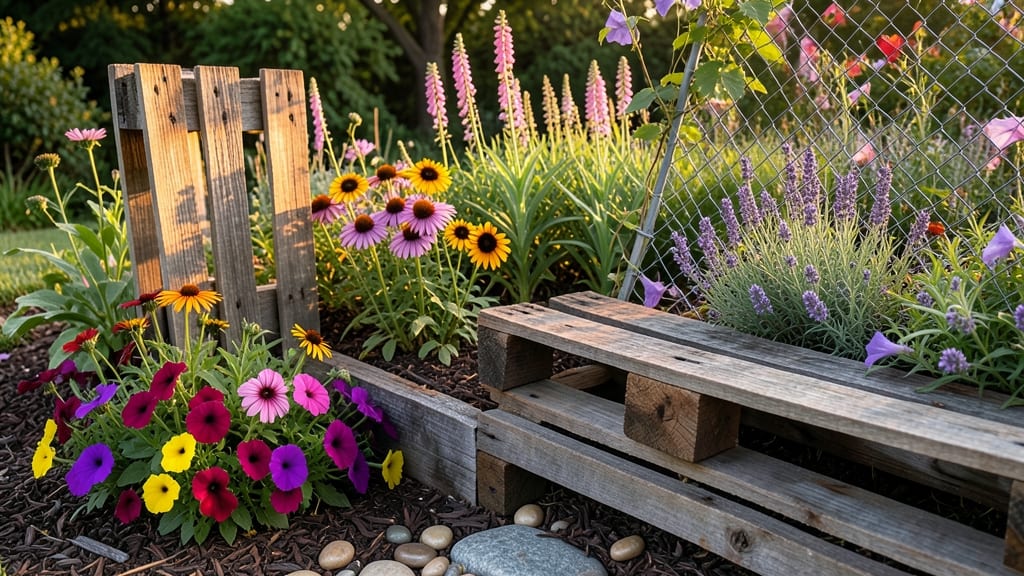
Turn old wooden pallets into a vibrant pallet flower bed—a budget-friendly, eco-conscious way to transform your garden into a colorful, thriving space without the hassle of traditional planters.
I’ve seen how a simple stack of pallets can become a stunning vertical garden, bursting with 🌸 trailing flowers and lush greenery. Whether you’re working with limited space or just love upcycling, this project is perfect for adding charm to patios, balconies, or backyard corners.
Plus, it’s a great way to repurpose materials and reduce waste.
In this guide, I’ll walk you through everything from selecting the right pallets to choosing the best General Pallet Flower Bed Plants for your climate. You’ll discover creative layouts, plant pairings that thrive together, and easy maintenance tips to keep your garden looking its best all season long.
Ready to get started? Let’s turn those forgotten pallets into a showstopping garden feature that’s as functional as it is beautiful—without breaking the bank.
How to build a pallet flower bed: step-by-step DIY guide
Transforming old wooden pallets into stunning flower beds is an eco-friendly way to add charm and color to your garden—without breaking the bank or harming the planet. These vertical gardens maximize small spaces while giving your yard a rustic, artistic touch.
The best part? You can create one in just a weekend with basic tools and a little creativity!
Before you start, ensure you use untreated, weathered pallets to avoid chemical leaching into your soil. If you're unsure, sand down rough edges and seal the wood with a non-toxic stain.
Pallet flower beds work beautifully in patios, balconies, or even against fences, making them perfect for urban gardeners with limited space.
Step-by-Step Pallet Flower Bed Assembly
- 1 Gather Materials: You’ll need 2-3 wooden pallets (depending on size), landscape fabric, potting soil, gravel or sand, screws or nails, a drill, and your favorite flowering plants.
- 2 Prep the Pallets: Sand rough edges and remove any protruding nails. Lay pallets horizontally or vertically, depending on your design. For a raised bed, stack two pallets side by side.
- 3 Add Drainage Layer: Line the bottom of the pallet with landscape fabric, then add a 2-inch layer of gravel or sand to prevent waterlogging and improve drainage.
- 4 Fill with Soil: Add a mix of potting soil and compost (60/40 ratio) to fill the pallet, leaving about 2 inches of space at the top for watering.
- 5 Plant Your Flowers: Choose trailing plants like petunias or compact perennials like lavender. Space plants 6-12 inches apart for optimal growth.
- 6 Secure the Pallet: If building vertically, attach the pallet to a wall or fence using heavy-duty brackets or screws. For ground-level beds, weigh down corners with rocks or bricks.
- 7 Water and Mulch: Water thoroughly after planting, then add a 1-inch layer of mulch to retain moisture and suppress weeds.
For a long-lasting pallet flower bed, choose plants that thrive in similar conditions. Pair sun-loving annuals like geraniums with drought-tolerant perennials such as sedum. This combo ensures your bed stays vibrant with minimal maintenance. If you’re using pallets in a shady spot, opt for ferns or impatiens instead.
Pro tip: Paint the pallets with non-toxic, weather-resistant paint to extend their lifespan and add a pop of color. Just avoid sealing the wood if you want to keep it breathable for roots.
My favorite design is a two-tiered pallet bed—the upper level for trailing flowers and the lower for bushier plants like salvia.
Once your pallet flower bed is planted, water it deeply every 2-3 days for the first two weeks to help roots establish. After that, adjust your watering schedule based on your climate.
In hot, dry summers, you may need to water daily, while cooler months might only require weekly watering.
To keep your pallet bed looking its best, prune dead flowers regularly and fertilize every 4-6 weeks during the growing season. A balanced 10-10-10 fertilizer works wonders for most flowering plants. With a little care, your pallet flower bed will bloom beautifully for years to come!
Don’t forget to rotate your plants annually to keep the bed fresh and prevent soil depletion. Swap out short-lived annuals with new varieties each spring, while perennials will return year after year. Happy gardening!
10 Best flower combinations for pallet flower beds
Creating a stunning pallet flower bed is all about choosing the right flower combinations that thrive together in confined spaces. Since pallet gardens often have limited soil depth and drainage challenges, I focus on plants that are drought-tolerant, compact, and fast-growing.
The key is balancing trailing vines for vertical interest with upright blooms that add height and texture.
For my pallet gardens, I pair annuals with perennials to ensure year-round color. Annuals like petunias and geraniums provide instant blooms, while perennials like lavender and sedum return every season with minimal care. This combination keeps your garden vibrant from spring through fall without requiring constant replanting.
Here’s a comparison of my top 10 flower combinations that work beautifully in pallet flower beds, including their care requirements and design benefits:
| Combination | Plants Included | Sunlight Needs | Water Needs | Height (ft) | Best For |
|---|---|---|---|---|---|
| Classic Vertical Garden | Petunias + Sweet Potato Vine | Full Sun (6+ hrs) | Medium (Every 3-4 days) | 1.5-3 | Colorful cascades |
| Drought-Tolerant Beauty | Lavender + Sedum | Full Sun (6+ hrs) | Low (Every 7-10 days) | 1-2 | Low-maintenance elegance |
| Butterfly Magnet | Marigolds + Nasturtiums | Full Sun (6+ hrs) | Medium (Every 4-5 days) | 1-2.5 | Pollinator-friendly |
| Fragrant Delight | Jasmine + Snapdragons | Partial Sun (4-6 hrs) | Medium (Every 3-5 days) | 2-4 | Scented blooms |
| Modern Minimalist | Echeveria + Portulaca | Full Sun (6+ hrs) | Low (Every 7-10 days) | 0.5-1.5 | Succulent-style look |
| Whimsical Whispers | Pansies + Alyssum | Partial Shade (3-5 hrs) | Medium (Every 3-4 days) | 0.5-1 | Cool-season blooms |
| Bold & Bright | Geraniums + Lobelia | Full Sun (6+ hrs) | Medium (Every 3-5 days) | 1-2.5 | Year-round color |
| Herb & Flower Mix | Thyme + Calendula | Full Sun (6+ hrs) | Low (Every 7-10 days) | 0.5-1.5 | Edible & ornamental |
| Romantic Cascade | Ivy + Impatiens | Partial Shade (3-5 hrs) | Medium (Every 3-4 days) | 1-3 | Shady corners |