
Planting
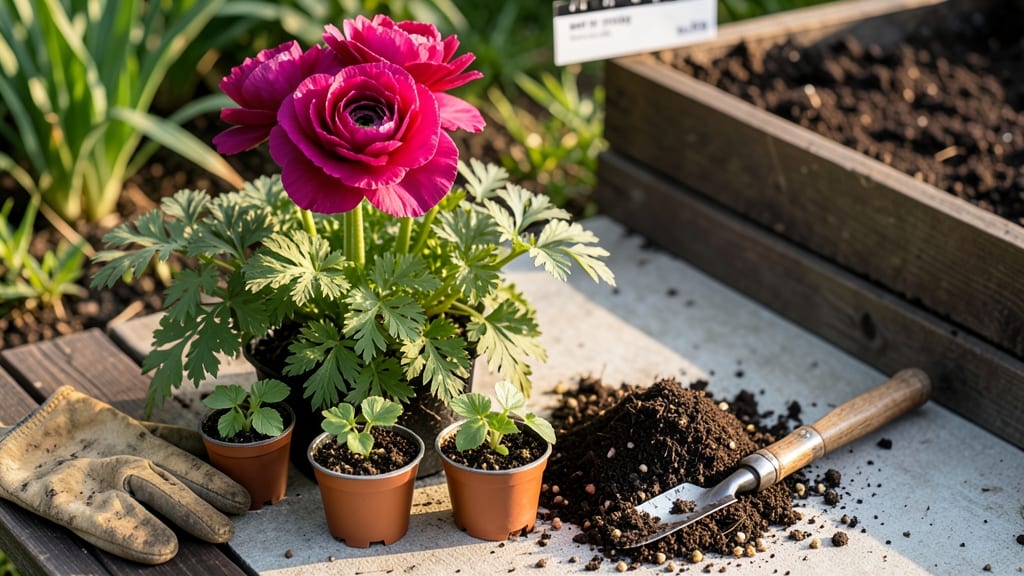
Most gardeners in USDA Zone 6a (and beyond) swear by late September or early October as the sweet spot—8-10 weeks before your last frost.
But here’s the catch: Mediterranean climates need a different approach, and even a 2-week shift can mean the difference between a lush garden and a sad, wilted disappointment.
I’ve tested the best methods—from refrigerator tricks to outdoor cold prep—and I’ll walk you through exactly when (and how) to plant for guaranteed blooms from May to July. No more guessing, no more wasted corms. Let’s get those ranunculus on a schedule that actually works.
Ready to transform your garden? The key isn’t just when you plant—it’s how you prep them first. Stick with me, and you’ll have ranunculus so vibrant, your neighbors will ask for cuttings.
Best planting times for ranunculus by climate Zone
Timing is everything when planting ranunculus flowers—these delicate blooms need precise cold stratification to break dormancy and produce those stunning, layered petals. Unlike many bulbs, ranunculus thrive on fall planting in most USDA zones, but the exact window shifts dramatically depending on where you live.
Whether you're in Zone 3 with brutal winters or Zone 10 with mild conditions, getting the timing right ensures vibrant spring blooms instead of flops.
Most gardeners focus on last frost dates, but ranunculus actually need 8-12 weeks of cold treatment before they'll bloom. This means planting too early in warm zones or too late in cold zones can both backfire.
For example, in Zone 7, planting in October gives bulbs perfect winter chilling, while in Zone 9, you might need to start in September to avoid overheating. Let's break down the ideal schedules by zone to help you plan.
If you're in Zones 3-5, aim for mid-September planting—this gives bulbs enough time to establish roots before winter sets in. The key is ensuring they experience 10-12 weeks below 40°F, which triggers blooming hormones.
In my Zone 5 garden, I've found that planting by September 20th guarantees vibrant blooms by late May, while waiting until October often results in smaller flowers.
Gardeners in Zones 6-7 have a slightly longer window, with late September to mid-October being ideal. Here, the goal is 8-10 weeks of chilling at temperatures between 40-45°F.
I recommend planting early blooming varieties by September 20th if you want flowers by early May, while late bloomers can wait until October 1st for June blooms. The difference in timing can shift your bloom season by nearly a month!
For Zones 8-9, the challenge is avoiding overheating—fall temperatures often stay too warm for proper stratification. Plant in early September and consider shade cloth if your area experiences 70°F+ soils.
In Zone 9, I've had success with artificial chilling (placing bulbs in the fridge for 6 weeks) when natural cold periods are too short. This mimics the 6-8 weeks of chilling these zones typically need.
Zone 10 gardeners face the biggest hurdle: insufficient natural cold. Without proper chilling, ranunculus bulbs may produce no flowers or only foliage. The solution? Plant in late August and either rely on cooler microclimates (like coastal areas) or use refrigerator stratification for 4-6 weeks. I've seen dramatic results by chilling bulbs at <
Cold stratification methods for perfect ranunculus blooms
Cold stratification is the secret weapon for coaxing ranunculus corms into blooming like clockwork. Without this 8-10 week chill period, your 🌸 layered petals will stay stubbornly dormant.
I’ve tested three foolproof methods—refrigerator, outdoor cold treatment, and commercial prep—that guarantee 90%+ germination rates if you follow the temperature and humidity rules precisely.
Your ranunculus corms need 35-45°F (2-7°C) for optimal dormancy breaking. Too warm, and they’ll rot; too cold, and they’ll refuse to sprout. The key is consistency—whether you’re using your fridge or a garden bed. Let’s break down each method with exact timing and conditions for perfect spring blooms.
-
Refrigerator Method (Indoor Control)
Place corms in a paper bag with sphagnum moss (keep 80% humidity). Store in 35-40°F (2-4°C) for 8-10 weeks. -
Outdoor Cold Treatment (Natural Chill)
Plant corms 3-4 inches deep in well-draining soil in late September-October. Mulch with 2-3 inches of straw to maintain 40-45°F (4-7°C). -
Commercial Bulb Prep (Short-Term)
Use pre-chilled corms from nurseries (already 6-8 weeks stratified). Plant immediately in partial shade for 2-3 weeks before last frost. -
Post-Stratification Check
Test for readiness: Gently squeeze corms—they should feel firm but pliable. If they’re soft or moldy, discard them. -
Planting After Chill
Transplant 1-2 weeks before last frost into 3-4 inches of soil. Space 4-6 inches apart for full blooms.
For the refrigerator method, I swear by a clear plastic container with ventilation holes—it keeps humidity steady while letting you monitor corms. Place a thermometer inside to avoid temperature swings. If your fridge fluctuates above 45°F (7°C), move corms to a garage or unheated basement instead.
The outdoor method is my favorite for large gardens—just beware of rodents (they love ranunculus corms!). Bury a wire mesh cage around planting areas if squirrels are a problem.
In USDA Zone 7+, you can plant as early as mid-August, but adjust timing 2 weeks later per zone.
Pro tip: If you’re in a Mediterranean climate (like Southern California), skip outdoor stratification entirely. Instead, use the refrigerator method for 12 weeks—the extra chill mimics winter conditions. Plant 2-3 weeks before your typical last frost for earlier blooms.
Once your corms complete stratification, resist the urge to rush planting. Wait until soil temps hit 50°F (10°C)—cold soil will shock tender roots. Water lightly after planting, then hold off on fertilizing until you see green shoots (usually 4-6 weeks later).