
Flowers
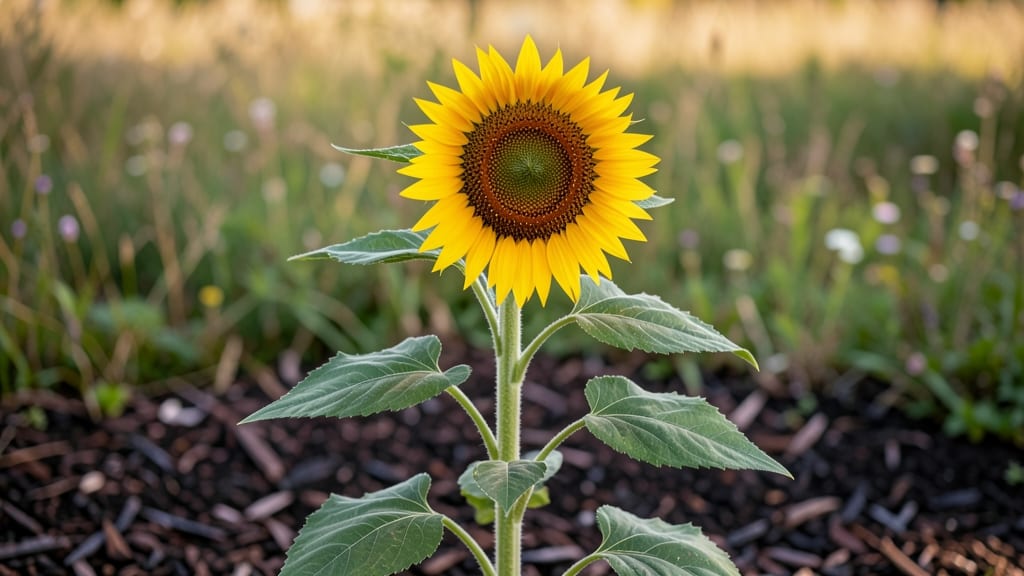
If you’ve ever wondered when are sunflowers in season in Florida, the answer is simpler than you think—thanks to the state’s frost-free climate, golden 🌻 blooms can thrive year-round with the right timing.
Unlike northern states, where frost dictates the schedule, Florida’s frost-free zones (9a-11) let you grow sunflowers almost anytime, though late winter to early spring is your sweet spot for the best results.
The key to success? Avoiding the brutal summer heat that can stunt growth or trigger early bolting.
When you plant in January or February, you’ll catch the perfect balance of mild temperatures and long daylight hours, giving your sunflowers 70-120 days to reach their full, vibrant potential before the heat kicks in.
But what if you want to extend the season? With the right heat-tolerant varieties and a few clever tricks—like shade cloth or succession planting—you can coax blooms into April through October, turning your garden into a sunflower paradise for months on end.
I’ll break down the exact planting windows for North, Central, and South Florida, plus the best varieties to beat the heat. Ready to turn your yard into a sunflower haven? Let’s get started.
Florida sunflower season by region: exact planting and blooming months
Florida’s frost-free zones (USDA 9a-11) mean sunflowers can bloom nearly year-round—but timing still matters. North Florida’s cooler winters (Zone 9a) need earlier starts, while South Florida’s (Zone 11) heat-tolerant varieties thrive planted later. Master these regional windows to avoid heat stress or bolting before blooming.
Sunflowers in Florida are annuals, meaning they complete their life cycle in one season. Most varieties take 70-90 days to flower, but extreme heat can shorten this. Planting at the right time ensures vibrant blooms from April through October, with peak displays in May-July.
Here’s the exact planting calendar by region, accounting for soil warmth and rainfall patterns to maximize your sunflower season.
| Region | USDA Zone | Best Planting Window | Bloom Timeline | Heat Tolerance Tip |
|---|---|---|---|---|
| North Florida | 9a | Late January - Early March | April - June | Use heat-tolerant varieties like 'Autumn Beauty' for summer blooms. |
| Central Florida | 9b-10a | Mid February - Early April | May - August | Plant dwarf varieties (e.g., 'Teddy Bear') to avoid heat stress. |
| South Florida | 10b-11 | Early March - Late April | June - October | Avoid summer planting—opt for fall succession in September. |
In North Florida (Zone 9a), plant sunflowers between late January and early March to avoid spring heatwaves that can cause bolting. Varieties like 'Moulin Rouge' thrive here, producing deep red blooms from April to June. Use black plastic mulch to warm soil faster and extend the season.
Central Florida (Zones 9b-10a) offers the longest bloom window. Start seeds in mid-February for early blooms or early April for summer displays. Succession plant every 3 weeks to enjoy sunflowers from May through August. This region benefits from afternoon shade during peak summer heat.
South Florida’s (Zones 10b-11) extended growing season lets you plant sunflowers year-round, but focus on early March to late April for ideal blooms. Avoid planting in June-August—intense heat reduces flower size. Instead, try fall planting in September for late-season blooms.
For year-round sunflowers, use shade cloth (30-50%) during summer months to protect young plants. Dwarf varieties like 'Sunspot' (1-2 ft tall) are perfect for containers and urban gardens, while tall varieties like 'Russian Giant' (12+ ft) need staking in windy coastal areas.
Monitor soil temperature—sunflowers germinate best in soil above 55°F. Use a soil thermometer to time plantings accurately. In North Florida, wait until soil warms to 60°F before planting to prevent seed rot.
Pro tip: Direct sow seeds ½ inch deep, 6-12 inches apart for dwarf varieties or 18-24 inches for tall types. Avoid transplanting—sunflowers hate root disturbance. Thin seedlings to the strongest plant per spot to ensure vibrant blooms and minimal competition.
With these regional timelines, you’ll enjoy sunflowers in bloom for nearly half the year—from spring’s first blooms to fall’s golden harvests. 🌻
How to extend sunflower season in Florida: heat-tolerant varieties and growing hacks
Want to enjoy sunflowers in Florida beyond the traditional spring window? You’re in luck—Florida’s frost-free climate lets you push blooms into summer and even fall with the right strategies. The trick is choosing heat-tolerant varieties and using clever growing hacks to beat the heat.
I’ve grown sunflowers year-round in USDA zones 9a-11, and these methods work like magic.
First, focus on drought-resistant varieties like 'Moulin Rouge' (with its stunning burgundy petals) or 'ProCut' (ideal for cut flowers). These varieties thrive when temperatures climb above 90°F, making them perfect for Florida’s summer heat. Pair them with succession planting to ensure continuous blooms from April through October.
Here’s how to extend your sunflower season like a pro:
-
🌡️ Beat the Heat with Shade Cloth
Use 30-50% shade cloth during peak summer months (June-August) to protect seedlings. Install it over young plants to reduce soil temperature and prevent bolting. Remove it once plants are established to ensure full sun for flowering. -
🌱 Choose Heat-Tolerant Varieties
Opt for 'Moulin Rouge' (drought-resistant, burgundy blooms) or 'ProCut' (cut-flower variety). These thrive in 90°F+ temperatures and produce vibrant blooms even in Florida’s summer heat. -
📅 Succession Plant Every 4-6 Weeks
Plant new seeds every 4-6 weeks from January through July. This ensures a steady supply of blooms, as earlier plantings may bolt in the heat while later ones take over. -
💧 Deep Water in the Morning
Water deeply once a week (or more in extreme heat) to encourage deep root growth. Avoid evening watering to prevent fungal diseases like powdery mildew. -
🌿 Mulch to Retain Moisture
Apply 2-3 inches of mulch (straw or wood chips) to keep soil cool and reduce evaporation. This is especially critical in Florida’s sandy soils, which drain quickly.
For fall blooms, start seeds in late July or August to catch the cooler temperatures of September and October. These late plantings will produce stunning sunflowers just in time for autumn festivals or holiday decor.
Just be sure to protect them from hurricane winds by staking taller varieties like 'Russian Giant'.
Pro tip: If you’re growing sunflowers for cut flowers, prioritize 'ProCut' or 'Autumn Beauty'. These varieties stay fresh longer in bouquets and handle Florida’s humidity better than traditional types. With these tricks, you’ll enjoy sunflowers in season in Florida for nearly half the year!