
Flowers
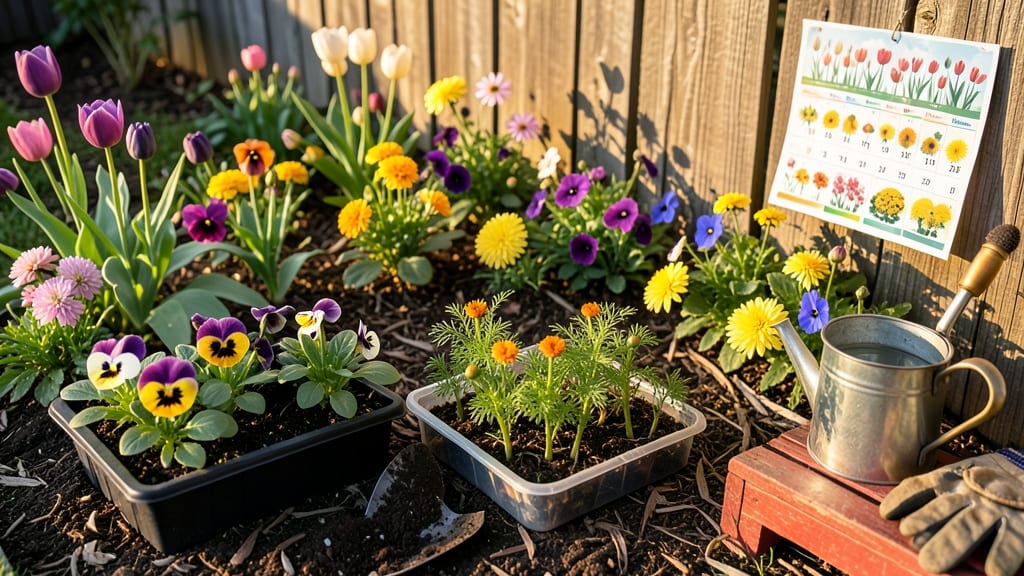
When should flowers be planted to ensure they bloom vibrantly all season? Timing your flower planting wrong can mean wilting dreams before they even bloom—but get it right, and you’ll enjoy stunning 🌸 blooms all season long. The secret? Understanding your climate zone and seasonal cues.
Most gardeners know spring is the prime time to plant flowers, but the exact window depends on where you live.
In USDA Zone 6a, like many temperate regions, you’ve got two key opportunities: 4-6 weeks before your last frost (typically mid-March to early April) or 6-8 weeks before your first frost in fall (around early September).
Why does this matter? Planting too early risks frost damage, while waiting too long can stunt growth. I’ll break down the perfect schedule for your zone, including how to adjust for local weather quirks—so you can avoid common mistakes and maximize those show-stopping blooms.
Ready to transform your garden? Let’s dive into the exact months and pro tips that’ll have your flowers thriving from the first bud to the last petal.
Best flower planting times by USDA climate Zones (with exact months)
Getting your flower planting timing right means the difference between a garden bursting with color and one that barely survives. Your USDA climate zone determines when to plant—whether you're in frost-prone Zone 3 or warm Zone 11.
Coastal areas often have milder winters, while inland regions face harsher freezes. Let’s break down the best months for annuals, perennials, and bulbs so you can start planting with confidence.
For cool-season flowers like pansies and snapdragons, aim for spring or fall planting. In contrast, warm-season favorites such as zinnias and marigolds thrive when planted after your last frost date.
Bulbs like tulips and daffodils have their own ideal windows—usually fall for spring blooms or early spring for summer flowers. Let’s dive into the exact months for each zone to ensure your flowers get the perfect start.
🌱 Pro Tip: Use your local last frost date as your guide. Most seed packets and plant tags list days until maturity—count backward from your frost date to find the ideal planting window.
In Zones 3-4, where winters are brutal, focus on late spring planting for annuals like cosmos and sunflowers. These areas benefit from early starts indoors (8-10 weeks before last frost) to extend the growing season.
For perennials, early spring planting ensures they establish roots before summer heat sets in.
If you’re in Zone 5-6, you’ll have a longer window for both spring and fall planting. Cool-season flowers like calendula can handle light frosts, while warm-season flowers like impatiens should wait until after Memorial Day.
Coastal regions in these zones may enjoy 2-3 extra weeks of growing time compared to inland areas.
For Zones 7-8, where winters are mild, you can plant annuals year-round with succession planting. Fall planting is ideal for cool-season flowers like sweet peas, while spring bulbs (like daffodils) should go in the ground by November.
In Zone 9-10, tropical flowers like hibiscus and bougainvillea thrive with minimal frost risk, allowing for continuous planting.
In Zone 11, the only concern is humidity and heat. Plant shade-loving annuals like impatiens in summer to avoid wilting. For bulbs, focus on fall planting (November-December) to
How to adjust planting dates based on your local weather patterns
Your USDA zone gives you a starting point, but local weather patterns are the real game-changers for flower planting. I’ve learned that even a single week’s difference can mean the difference between thriving blooms and sad, wilted stems.
The key is to layer soil temperature, moon phases, and frost-free calculators into your planting plan.
Start by checking your last frost date—this is non-negotiable. But don’t stop there. Dig deeper into microclimates in your yard. A south-facing slope warms up faster than a shaded corner, which can shift your planting window by 2-3 weeks.
Even urban areas with concrete can trap heat, creating unexpected growing pockets for heat-loving flowers like marigolds or zinnias.
Use Soil Thermometers
Most flowers need soil temps of 60-65°F to sprout. Check daily—especially in Zone 5-7—where cold snaps can delay germination by weeks. For cool-season flowers like pansies, wait until soil hits 45-50°F.
Adjust for Moon Phases
Planting during the waxing moon (right after new moon) boosts root growth, while full moon planting encourages leafy growth. For bulbs like tulips, aim for the dark moon phase to reduce pest pressure.
Calculate Frost-Free Days
Use the National Weather Service or Old Farmer’s Almanac for 30-day forecasts. If your area has unpredictable frost (like Zone 8’s late spring freezes), delay tender flowers like petunias until after Memorial Day.
Test with "Test Plants"
Plant a few fast-growing flowers (like radishes or basil) 2 weeks before your target date. If they thrive, your main flowers are ready. If they struggle, wait another week.
Don’t forget about fall planting for cool-season bloomers. In Zones 3-5, sow pansies or calendulas 6-8 weeks before first frost—they’ll bloom all winter long. And if you’re in a warmer zone (9-11), take advantage of winter rains to plant spring-blooming bulbs like daffodils in December.
Pro tip: Keep a gardening journal to track when you plant and how your flowers perform. Over time, you’ll spot patterns—like how your yard’s microclimate shifts planting dates by 10 days earlier than the USDA zone suggests. That’s how you turn good gardening into great gardening! 🌸