
Propagation
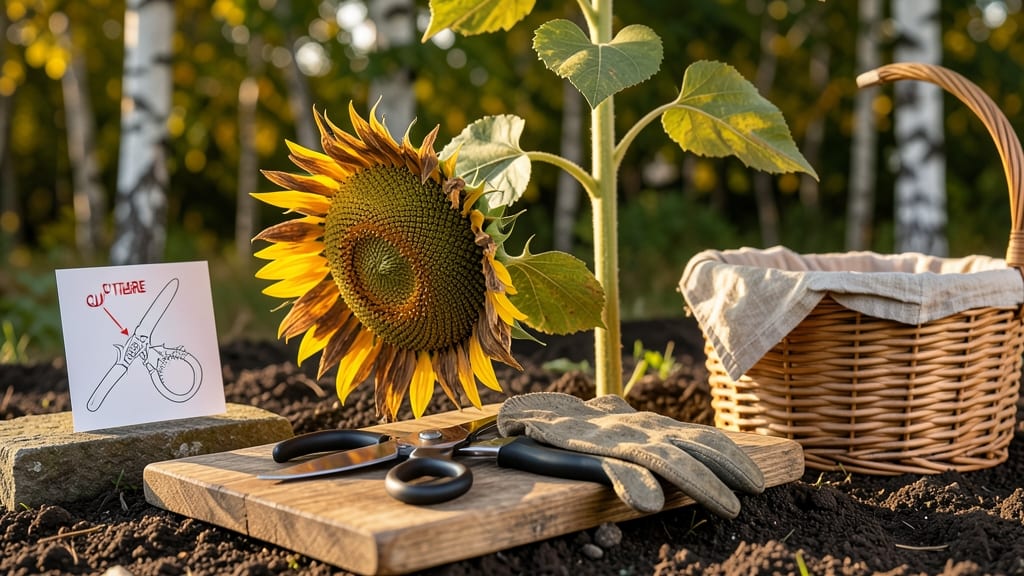
Cutting sunflower heads at the wrong time can mean the difference between a bountiful harvest of plump, nutritious seeds and a disappointing pile of empty husks. If you've ever wondered why your 🌻 seeds seem to disappear or turn bland, timing is the key factor you might be missing.
Most gardeners in Zone 6a know that sunflowers planted in spring need careful attention as they mature between July and September. The secret lies in watching for subtle changes—the moment the petals droop slightly and the back turns yellow, that's your cue.
But wait too long, and birds or frost will beat you to the seeds.
In this guide, I’ll walk you through the exact signs to look for, from seed color to stem firmness, so you never miss the perfect harvest window.
You’ll also discover how to handle post-cutting care to preserve those seeds for months. Let’s make sure your sunflower harvest is nothing short of perfect.
Whether you're a seasoned gardener or just starting with sunflowers, these practical tips will help you avoid common mistakes. By the end, you’ll know exactly when to cut—and how to store your seeds for next year’s garden. Ready to unlock the full potential of your sunflowers?
How to identify sunflower seed maturity: 5 visual & physical clues
Knowing when to cut sunflower heads is the difference between a bountiful harvest and wasted effort. Sunflowers mature quickly, but missing their prime window means seeds won’t be fully developed. The key is watching for visual and physical changes that signal readiness.
These clues help you avoid cutting too early—when seeds are still hard and underdeveloped—or too late, when they scatter or spoil.
First, focus on the flower head’s color. A fully mature sunflower will show a distinct yellow or brown back behind the petals. This change indicates the plant is shifting energy from blooming to seed production.
The petals themselves may also start to droop slightly, a clear sign the seeds are nearing maturity. Don’t confuse this with wilting due to drought or pests—always check for other signs first.
Next, look for seed color and texture. Mature sunflower seeds turn a deep brown or black, depending on the variety. You can test this by gently squeezing the flower head—if the seeds feel firm and plump, they’re ready.
If they’re still soft or hollow, wait a few more days. This tactile check is one of the most reliable ways to confirm maturity without guesswork.
Here’s what to watch for when your sunflowers are ready:
-
1. Petals Turn Yellow-Brown
The back of the petals shifts from green to yellow or brown, signaling the plant is done flowering. -
2. Flower Head Drops Slightly
The head bends or drops 10-20 degrees from upright, indicating seed maturation. -
3. Seeds Rattle When Shaken
Gently shake the head—if seeds rattle loudly, they’re fully developed and ready to harvest. -
4. Seed Color Darkens
Mature seeds turn deep brown or black (varies by variety). Press a seed—it should be firm, not soft. -
5. Lower Leaves Yellow & Drop
The bottom leaves turn yellow and fall off, redirecting nutrients to the seeds.
One common mistake is mistaking drought stress for maturity. If your sunflower’s head droops but the seeds are still green and soft, it’s likely dehydrated, not mature. Check the soil moisture—if it’s dry, water deeply and wait a few days before reassessing.
Similarly, pest damage (like squirrels or birds) can create false signals, such as chewed petals or uneven seed development.
Timing your harvest correctly also depends on your climate and frost dates. In warm regions, you can wait until the seeds are fully brown, but in cooler areas, cut the heads before the first frost.
If frost hits before maturity, harvest the seeds anyway—they’ll still be usable, though slightly less flavorful. Always cut the stem 2-3 inches below the head to preserve the seeds during drying.
Pro tip: Mark the maturity date on your calendar after the first flower blooms. Most sunflower varieties mature in 70-120 days, but this varies by type. Dwarf varieties (like ‘Teddy Bear’) mature faster (around 60 days), while giant varieties (like ‘Russian Giant’) take longer (up to 140 days).
Adjust your expectations based on what you’re growing.
Once you’ve confirmed maturity, act quickly. Sunflower seeds can scatter within 24-48 hours of full ripeness, especially in windy conditions. Cutting at the right time ensures you maximize your yield and avoid wasting effort. With these visual clues, you’ll never second-guess when to harvest again.
🌻
Best practices for cutting sunflower heads: tools, techniques & storage tips
Once you’ve spotted those yellowing petals and drooping heads, the next step is cutting with precision. Using the wrong tools or timing can damage your sunflower seeds or invite pests.
I’ve learned that a sharp pruning shear or clean garden knife makes all the difference—dull blades crush stems and invite rot. Always cut 2-3 inches above the seed head to include the stem attachment, which helps during drying.
Timing matters too. Harvest on a dry morning after dew has evaporated to prevent fungal issues. Avoid cutting after rain, as moisture speeds up spoilage. If you’re in Zone 6a, aim for late August to early September—just before the first frost.
Pro tip: Shake the head gently—if seeds rattle, they’re ready. If they’re silent, wait a few days.
When to Cut Sunflower Heads: Pros & Cons
✅ DO This
- Cut in morning – Dew-free stems dry faster.
- Use sharp tools – Prevents crushing seed heads.
- Wait for yellow backs – Ensures seed maturity.
- Harvest before frost – Avoids seed damage.
❌ Avoid This
- Cut after rain – Risk of mold and rot.
- Use dull shears – Damages stems and seeds.
- Wait for seeds to scatter – Loses yield to birds.
- Harvest at night – Higher humidity slows drying.
After cutting, hang your sunflower heads upside-down in a dry, dark place with good airflow, like a garage or shed. Indoor drying (60-70°F) takes 1-2 weeks, while outdoor drying in shade can take longer but works in dry climates.
Test readiness by gently rubbing seeds—if they separate easily, they’re dry. If they’re sticky, extend drying time.
For long-term storage, remove seeds from the head and place them in a paper bag or cloth sack (plastic traps moisture). Store in a cool, dark place (50-60°F) where humidity stays below 10%.
Label bags with the variety and year—seeds stay viable for 2-3 years if stored properly. I’ve kept seeds this way for winter sowing, and they germinate just as well as fresh ones.
One common mistake I’ve seen is rushing to cut heads too early. Green seed backs mean seeds aren’t mature—wait until they turn brown and papery. Also, avoid storing seeds in humid basements; mold will ruin your harvest.
If you’re unsure, split a head open: fully mature seeds should be plump and firm, not shriveled or hollow.
With these tips, you’ll maximize your sunflower seed yield and avoid the heartbreak of wasted harvests. Next time, you’ll know exactly when to cut—and how to store seeds for planting next spring. Happy harvesting! 🌻