
Plants
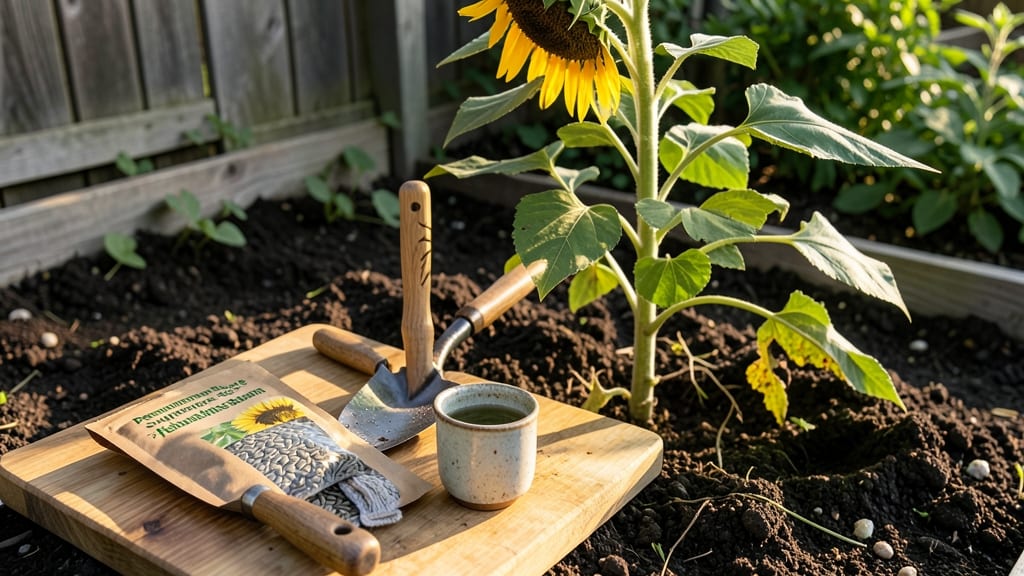
Planting sunflower seeds at the wrong time in Tennessee can mean the difference between towering 🌻 blooms and sad, stunted plants struggling to survive. With frost dates shifting dramatically from East Tennessee’s high country to the Delta’s sweltering plains, knowing your exact planting window is the key to success.
Most gardeners in Tennessee’s 6a-7b zones wait until after the last frost—typically mid-April to mid-June—but timing varies wildly by region. In cooler mountain areas, you might need to wait until early May, while western counties can start as early as late March.
The goal? Give those seeds 60°F+ soil and at least 180 frost-free days to reach their full potential.
Whether you’re growing giant varieties for cutting or compact types for containers, the right timing ensures stronger stems, bigger blooms, and seeds ready for harvest between July and October.
I’ll break down exactly when to plant in your specific corner of the state—and how to adjust for Tennessee’s unpredictable weather patterns.
Ready to turn your garden into a sunflower paradise? Let’s dive into the frost-free timeline that’ll have your plants thriving from seed to harvest.
Tennessee’s frost-free zones: when to plant sunflower seeds by county heat map
Tennessee’s diverse climate—from the Appalachian Mountains to the Mississippi Delta—creates wildly different planting windows for sunflowers. In Zone 5a (eastern highlands), frost lingers until mid-May, while Zone 8a (western Memphis) enjoys frost-free soil by mid-March.
Planting sunflowers too early risks frost damage, but delaying too long cuts bloom time before fall frosts. Let’s break down the optimal planting windows by region to ensure your sunflowers reach their full 10-foot potential.
Sunflowers thrive in Tennessee’s 60°F+ soil temperatures, which typically arrive between April and early May, depending on your county. For giant varieties (like ‘Mammoth’), aim for April 15–May 15 in most zones, while dwarf varieties (like ‘Teddy Bear’) can handle late May plantings.
The key is to give sunflowers 90–120 frost-free days to mature—critical for seed production and those iconic yellow blooms.
Here’s how Tennessee’s USDA zones translate to sunflower planting windows. Use this as your county heat map guide to avoid common mistakes like overcrowding seeds or planting in cold, wet soil. Pro tip: Check your last frost date via the Tennessee State Climatology Office for hyper-local precision.
In Zone 5a (eastern Tennessee), wait until after May 1 to plant sunflowers, as late frosts are common. For example, Johnson City (Zone 6a) averages its last frost on April 20, so I start seeds indoors in mid-April for a head start.
Meanwhile, Memphis (Zone 7b) gardeners can direct-sow seeds as early as March 15, giving sunflowers a longer growing season for towering varieties.
For western Tennessee (Zones 7b–8a), the window expands dramatically. In Shelby County, I’ve successfully planted sunflowers as early as February 20 for early summer blooms, but I use row covers to protect seedlings from unexpected cold snaps.
The trade-off? Earlier plantings mean taller, more robust sunflowers, but they may also bolting faster toward seed production if days shorten too soon.
If you’re in central Tennessee (Zones 6b–7a), like Nashville or Murfreesboro, aim for April 15–May 1 to balance frost risk and harvest timing. These zones offer the sweet spot for both giant varieties (like ‘Russian Giant’) and dwarf types (like ‘Autumn Beauty’).
Pro tip: Use a soil thermometer—sunflowers won’t germinate well below
Sunflower seed planting guide: direct sowing vs. transplanting in Tennessee’s climate
Tennessee’s climate offers the perfect balance for sunflowers—just get the timing right. Direct sowing is the most common method here because sunflower seedlings hate being transplanted. Their long taproots get damaged easily, stunting growth.
But if you’re starting seeds indoors, you’ll need to time it perfectly to avoid shocking those delicate roots when moving them outside.
For direct sowing, aim for when soil temperatures hit 60°F+, typically mid-April to early June across most of Tennessee. In cooler mountain regions like Zone 6a, wait until late April or May—frost can still linger.
Meanwhile, western counties in Zone 7b can start as early as late March if you’re brave enough to gamble on warm spells.
Plant seeds 1–2 inches deep in well-draining soil, spacing them 6 inches apart. Thin seedlings to 12–24 inches apart once they’re 3–4 inches tall.
This spacing prevents overcrowding, which leads to weak stems and smaller blooms—especially critical for giant varieties like ‘Mammoth’ that need room to reach their full 10–15 feet height.
Direct Sowing vs. Transplanting in Tennessee
✅ Direct Sowing
- Pros: Stronger roots, no transplant shock, ideal for Tennessee’s heat
- Cons: Slower initial growth, risk of frost damage if planted too early
❌ Transplanting
- Pros: Earlier start indoors, better control over spacing
- Cons: Root damage, slower recovery, higher risk of disease
Best for Tennessee: Direct sow after last frost when soil is 60°F+. Transplant only if starting seeds 6–8 weeks before your last frost date.
If you choose to transplant, start seeds indoors 6–8 weeks before your last frost date. Use biodegradable pots to minimize root disturbance when moving them outside. Harden off seedlings gradually by exposing them to outdoor conditions for 1–2 hours daily over a week.
This toughens them up for Tennessee’s humidity and heat, which can stress young plants.
For dwarf varieties like ‘Teddy Bear,’ timing is less critical—you can plant them late May to early June and still enjoy blooms by summer’s end. But giant varieties need that longer growing season, so plant them as early as possible after the last frost.
Late plantings may not reach maturity before fall frosts hit in October or November.
Pro tip: Use a soil thermometer to check temperatures—sunflowers won’t germinate well below 60°F. If your soil is cooler, wait a few more weeks or use black plastic mulch to warm it up faster.
And remember, Tennessee’s summer heat can dry out seeds quickly, so keep the soil consistently moist until germination.