
Flowers
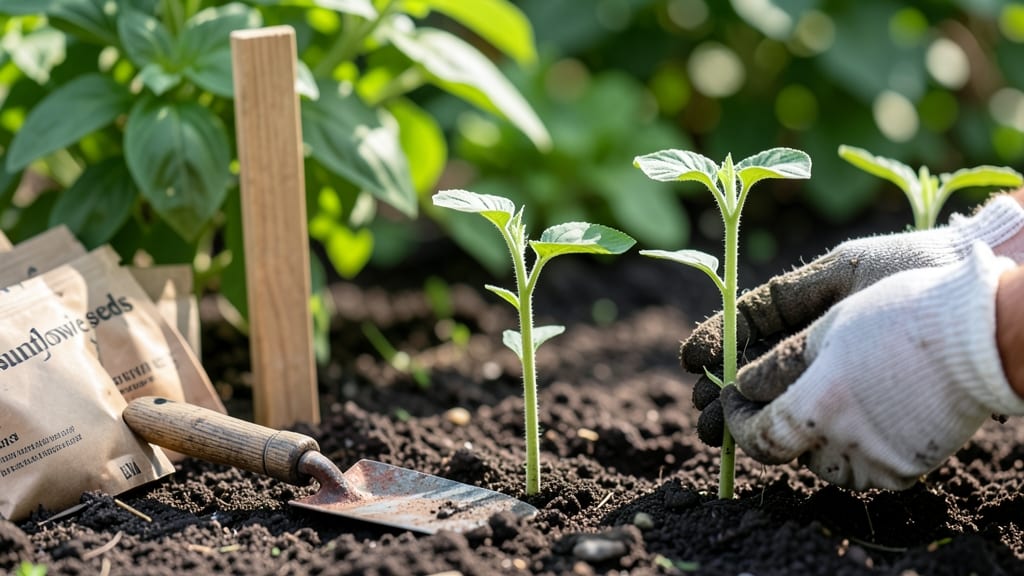
When to plant sunflowers in Pennsylvania could mean the difference between a stunning summer garden and a disappointing flop. With frost dates shifting from Zone 5b to Zone 7a, knowing exactly when to plant your 🌻 sunflowers ensures they thrive from seed to towering bloom.
Most gardeners in PA wait until mid-April to mid-June, but that window can vary by 10 days or more depending on your microclimate. The key is planting after the last frost—when soil temperatures hit a steady 55°F or warmer—so your seeds germinate quickly and avoid cold snaps.
Whether you're sowing directly into the ground or starting transplants indoors, I’ll break down the best methods for your specific zone. You’ll learn how to adjust for early vs. late varieties, space them properly, and keep them growing strong until harvest time.
Ready to grow sunflowers that reach their full potential? Let’s dive into the exact planting schedule—and pro tips—to make your garden the talk of the neighborhood.
Pennsylvania sunflower planting calendar by hardiness Zone (5-7)
Timing your sunflower seeds correctly in Pennsylvania is crucial—get it right, and you’ll enjoy vibrant blooms from July to September. But with USDA Zones 5-7 experiencing frost dates that vary by 2-3 weeks, knowing the exact window for your region makes all the difference.
Whether you’re direct sowing or transplanting, these frost-free guidelines will help you avoid frost damage and maximize your sunflowers’ potential.
Sunflowers thrive in warm soil, so waiting until the ground reaches 55°F (13°C) ensures strong germination. In Zone 5, this typically aligns with mid-May, while Zones 6-7 can start as early as late April.
Understanding these thresholds helps you plan for both early bloomers and late-season varieties that can handle shorter growing periods.
Below is your Pennsylvania sunflower planting calendar, broken down by zone, including ideal transplanting windows and soil temperature benchmarks. Use this as your go-to guide for frost-free planting success, whether you’re a beginner or a seasoned gardener.
For Zone 5 gardeners, the window is tight, so focus on early-maturing varieties like ‘Teddy Bear’ (50-55 days) to avoid frost damage. Planting in late May ensures your sunflowers have enough time to reach maturity before the first frost hits in mid-October.
In Zone 6, you have more flexibility—start as early as mid-April for dwarf varieties or wait until late May for taller types like ‘Mammoth’.
If you’re transplanting sunflower seedlings, do it after the last frost when soil temperatures are consistently above 55°F (13°C). Seedlings in Zone 7 can handle a later start (up to mid-June) because the growing season extends into October.
Just be sure to harden off your seedlings for 7-10 days before transplanting to reduce shock.
Pro tip: Use black plastic mulch to warm the soil faster in cooler zones. This can shave off 1-2 weeks from your planting timeline, giving your sunflowers a head start. Just remember to remove it once the ground is consistently warm to avoid overheating the roots.
In Zone 5, consider starter plants if you’re eager for blooms. While direct sowing is ideal, transplanting hardened-off seedlings in early June can still yield full-size sunflowers by late summer. Just avoid planting too late—sunflowers need 80-120 days to mature, so timing is everything.
For Zones 6-7, you can even try a second planting in early July for late-season blooms. Choose short-day varieties like ‘Autumn Beauty,’ which thrive in cooler temperatures and produce stunning bi-color flowers.
Just be mindful of your first frost date—aim to plant by mid-July to ensure blooms before winter sets in.
One common mistake is planting sunflowers too early in cold soil. If temperatures dip below 50°F (10°C), seeds may rot or fail to germinate. Always check your soil temperature with a thermometer or wait until nighttime lows are consistently above 55°F (13°C) before planting.
Finally, don’t forget that sunflowers love space. Give them 12-24 inches of room to grow, depending
How to adjust sunflower planting for early vs. late varieties
Not all sunflowers are created equal—some bloom in 60 days, while others take 120 days to reach their towering glory. In Pennsylvania’s Zone 5-7 climate, choosing the right variety and planting time ensures you’ll enjoy vibrant blooms from summer’s start to fall’s crisp air.
Early varieties like 'Teddy Bear' (dwarf) are perfect for short seasons, while giants like 'Russian Giant' need a longer growing window to reach their 12-foot heights.
Your planting strategy should align with each variety’s maturity timeline and Pennsylvania’s frost dates. For example, giant sunflowers need to be sown 4-6 weeks earlier than dwarf varieties to avoid bolting before flowering.
Let’s break down how to time your planting for maximum impact, whether you’re in a short-season Zone 5 or a longer Zone 7.
- 1 Dwarf Varieties (e.g., 'Teddy Bear'): Plant late May to early June for 60-70 day blooms. Ideal for short-season gardens or container growing.
- 2 Mid-Height Varieties (e.g., 'Moulin Rouge'): Sow mid-April to mid-May for 70-90 day maturity. Perfect for cut flowers and pollinator gardens.
- 3 Giant Varieties (e.g., 'Russian Giant'): Start seeds indoors by late March or direct sow early April for 100-120 day growth. Requires sturdy supports and rich soil.
- 4 Succession Planting Tip: For continuous blooms, stagger dwarf varieties every 2-3 weeks in June and July. This extends your harvest window by 4-6 weeks.
In Zone 5, where the growing season is shorter, focus on early-maturing dwarf or mid-height varieties. These can be planted as late as early June and still produce blooms before the first frost in mid-October.
For Zone 6 and 7, you have more flexibility—giant varieties can be direct-sown in early April and still thrive.
Another trick for Pennsylvania gardens is to extend your sunflower season by choosing varieties with different maturity times. For example, plant 'Autumn Beauty' (90 days) alongside 'Moulin Rouge' (75 days) to enjoy blooms from July through September.
This also helps pollinators like bees and butterflies by providing a continuous nectar source.
If you’re growing sunflowers for seed production, prioritize late-maturing varieties like 'ProCut' or 'Mammoth'. These need the full growing season to develop heavy, oil-rich seeds. In Zone 5, start these indoors in March and transplant after the last frost.
In Zone 7, you can direct-sow in early April and still harvest seeds by late September.
Remember, sunflowers are forgiving plants, but timing matters for their full potential. Whether you’re aiming for cut flowers, bird feeders, or garden height, matching your variety to Pennsylvania’s climate ensures your sunflowers will shine all season long. 🌻