
Flowers
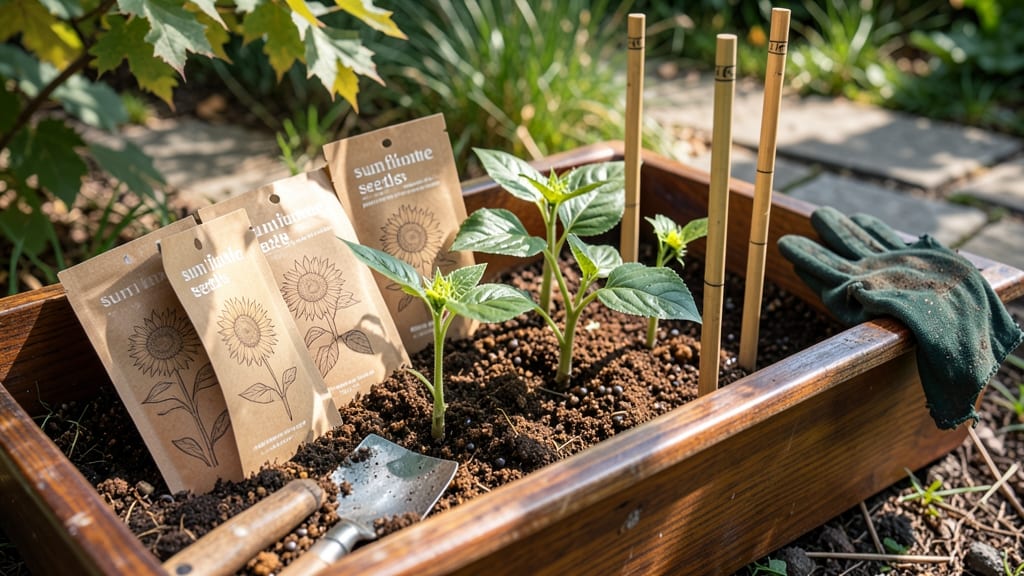
Planting sunflowers in Zone 8 at the wrong time can mean watching those towering 🌻 stalks struggle before they even bloom. The key to success lies in understanding your local frost dates and soil temperature thresholds—because unlike some plants, sunflowers demand warmth from the very start.
Most gardeners in Zone 8 know the last frost date is around March 15, but that’s just the beginning. Sunflower seeds need soil temperatures of at least 55°F to sprout, which often means waiting until late April or early May.
The good news? This warm-weather plant thrives in Zone 8’s long, sun-drenched summers, giving you plenty of time to enjoy those cheerful faces by late summer.
Whether you’re growing dwarf varieties for containers or giant sunflowers as a backyard focal point, timing matters.
In this guide, I’ll break down the exact planting windows, variety-specific tips, and how to extend your growing season if needed—so you can skip the guesswork and enjoy sunflowers that reach their full potential.
Ready to transform your garden into a sunflower haven? Let’s dive into the frost-free timeline that’ll have your plants blooming like clockwork.
Zone 8 sunflower planting timeline: frost dates and heat tolerance guide
Sunflowers thrive in Zone 8 with its warm climate, but timing your planting correctly ensures strong stems, vibrant blooms, and abundant seeds. The key is balancing last frost dates (typically mid-March) with soil temperatures that stay above 55°F (13°C).
Plant too early, and frost-sensitive seedlings may perish; wait too long, and you risk stunted growth from summer heat.
In Zone 8, sunflowers can be planted as early as late March in southern areas (like San Diego or Tucson) or as late as early June in cooler pockets (like Denver or Salt Lake City).
Most gardeners in the heart of Zone 8 (e.g., Austin or Phoenix) aim for April to May to align with warmer soil and consistent daytime temperatures.
Sunflowers are heat-tolerant once established, but seedlings struggle in temperatures above 85°F (29°C).
This means late spring planting (after May 15) is ideal for most varieties, giving them time to germinate before summer’s peak heat arrives. Dwarf varieties handle heat better than giants, which may need afternoon shade in extreme climates.
To calculate your local last-frost date, check the USDA Plant Hardiness Zone Map and add 14-21 days for soil warming. For example, if your last frost is March 15, wait until April 1 to plant. Use a soil thermometer to confirm temperatures—sunflowers won’t sprout below 55°F (13°C).
Here’s your Zone 8 sunflower planting timeline, broken down by region and variety type:
For direct sowing (the preferred method for sunflowers), scatter seeds 1 inch deep and 12-24 inches apart, depending on the variety. Dwarf sunflowers (like 'Teddy Bear') can be planted closer together (12 inches), while giant varieties (like 'Russian Giant') need 24+ inches of space to avoid competition.
If you’re growing sunflowers for seed production, plant in early April to ensure heads mature before the first frost (typically mid-November in Zone 8). For cut flowers, a late May planting often yields taller stems with fewer pests.
Always plant in well-draining soil amended with compost to support robust growth.
Monitor your garden for unexpected late frosts, which can occur even in Zone 8. Use row covers or black plastic mulch to warm the soil and protect young seedlings. Once plants reach 6 inches tall, they’re more resilient to temperature swings and can handle light frosts without damage.
Sunflowers in Zone 8 reward precise timing with bold blooms and abundant seeds. By aligning your planting with soil warmth, heat tolerance, and local frost dates, you’ll enjoy a garden that’s as productive as it is beautiful.
Start with the mid-April to early May window for the best balance of growth and bloom timing.
🌻
Best sunflower varieties for Zone 8 by planting season
Choosing the right sunflower variety for Zone 8 means matching your planting season with each type's unique needs. Early bloomers like 'Teddy Bear' thrive in cooler spring soils, while heat-resistant giants like 'Russian Giant' demand summer's warmth.
Let's break down the best options and their ideal timing to maximize your Zone 8 sunflower garden's success.
For spring planting (March-April), prioritize dwarf varieties or early-blooming types that tolerate soil temps as low as 50°F. These handle Zone 8's unpredictable early springs better than heat-loving giants. Summer planting (June-July) opens the door to tall, dramatic sunflowers that flourish in consistent 75°F+ temperatures.
| Variety | Height | Best Planting Time | Days to Bloom | Key Feature |
|---|---|---|---|---|
| Teddy Bear | 1-3 ft | March-April | 50-60 days | Cold-tolerant, early bloomer |
| Moulin Rouge | 3-5 ft | April-May | 60-70 days | Striped petals, great for cut flowers |
| Russian Giant | 10-16 ft | June-July | 80-100 days | Heat-loving giant, bold yellow |
| Autumn Beauty | 4-6 ft | May-June | 70-80 days | Multi-colored petals, late-season blooms |
| ProCut | 5-7 ft | May-July | 65-75 days | Long vase life, drought-tolerant |
If you're planting in late spring (May), opt for medium-height varieties like 'Moulin Rouge' or 'Autumn Beauty'. These handle Zone 8's warming soils while avoiding the extreme heat of summer. Their 60-80 day bloom times ensure vibrant flowers before fall's chill arrives.
For summer planting (June-July), only heat-tolerant giants like 'Russian Giant' or 'ProCut' will thrive. These varieties need consistent 75°F+ temperatures and