
Plants
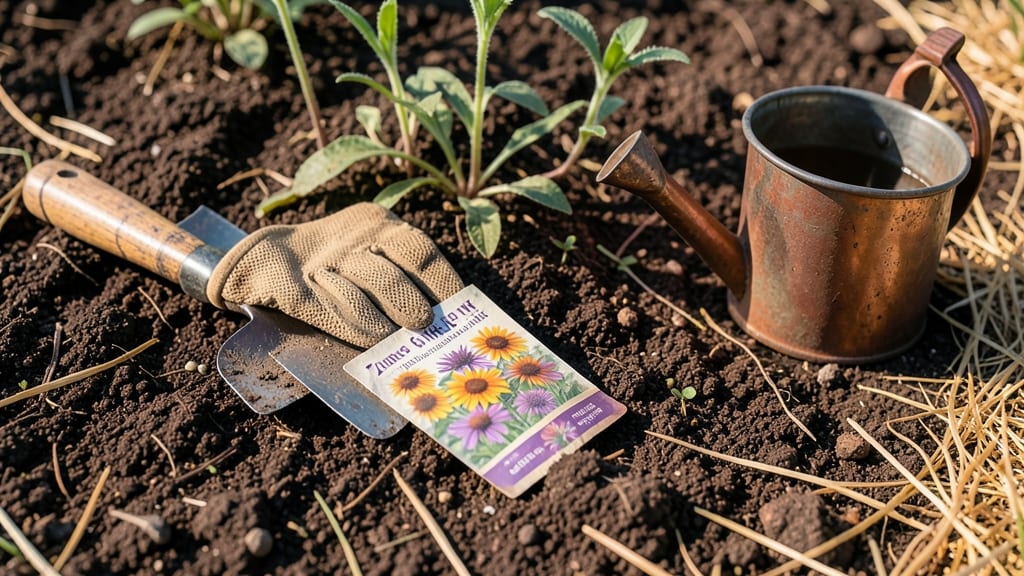
Planting wildflower seeds in Zone 6 at the wrong time can mean the difference between a meadow bursting with color and a patch of bare soil—so timing really is everything. 🌼 Whether you're dreaming of a pollinator paradise or just want to add some easy beauty to your yard, getting the months right makes all the difference.
Most gardeners in Zone 6 (like 6a-6b) swear by fall planting, but spring can also work if you play your cards right. The key is understanding your last frost date—typically around mid-April—and how it affects seed germination.
Fall planting actually gives your wildflowers a head start, while spring planting lets you enjoy blooms faster.
I’ve tested both approaches over the years, and I’ll show you exactly when to plant for the best results—whether you’re sowing in early spring (March-April) or late summer/early fall (August-September). Plus, I’ll share my top tips for soil prep and post-planting care to ensure your seeds thrive.
Ready to transform your space into a vibrant wildflower haven? Let’s dive into the exact planting windows and pro tips that will have your garden buzzing with life by next summer.
Zone 6 wildflower planting calendar: exact months for spring and fall success
Wildflowers thrive in Zone 6 when planted at the right time—just a few weeks too early or late can mean the difference between a lush meadow and a bare patch. The key is understanding your last-frost dates and soil temperatures, which vary by month.
Most Zone 6 gardeners experience their last frost around mid-April, but this can shift slightly depending on elevation and microclimates. For annual wildflowers, timing is critical to ensure they bloom before winter sets in, while perennials benefit from early starts to establish strong roots.
Spring planting typically begins in March, but soil temperatures must reach at least 50°F (10°C) for seeds to germinate properly. Fall planting, on the other hand, offers a longer window—August through October—allowing seeds to germinate in mild weather before winter dormancy.
This method often yields more vibrant blooms the following year because seeds get a head start on root development. Let’s break down the exact months for planting, including soil prep tips and frost-free guidelines tailored to Zone 6.
Pro Tip: Always check your local USDA Plant Hardiness Zone Map for precise frost dates, as urban areas can be 2-3°F warmer than rural zones. For example, cities like Chicago (Zone 5b) may have later frosts than Lexington, KY (Zone 6a).
If you’re planting annual wildflowers like cosmos, zinnias, or sunflowers, aim for March or April when soil temperatures are consistently above 50°F (10°C). These seeds germinate quickly and need warmth to thrive.
For perennials, such as black-eyed Susans or coneflowers, fall planting in August or September is ideal because seeds get a head start on root growth before winter. This method often results in earlier and more abundant blooms the following year.
One common mistake is planting too early in February or early March, when soil is still cold and frosty. Seeds may rot or fail to germinate. Instead, wait until the ground thaws completely and you can work the soil without it sticking to your tools.
A simple soil thermometer (available for under $10) will tell you when conditions are right—50°F (10°C) is the magic number for most wildflower seeds.
For fall planting, focus on August and early September when daytime temperatures are still warm but nights begin to cool. This gives seeds time to germinate before the first frost, which typically hits Zone 6 by mid-October.
If you plant in late September or October, use a light mulch of straw to insulate seeds and protect them from early frosts. This trick works wonders for wildflower mixes that include goldenrod, milkweed, or bee balm—all of which benefit from fall sowing.
Remember, microclimates matter in Zone 6. If you live near a large body of water or in a valley, your frost dates may be 1-2 weeks later than the average. Conversely, hilltops or exposed areas can experience frost earlier.
Always monitor local weather forecasts and adjust your planting timeline accordingly. For example, if your area had an unusually warm September, you might push fall planting into early October—just be prepared to cover seeds if frost threatens.
Finally, **so
Spring vs. fall planting: which season yields more wildflower blooms?
Deciding between spring vs. fall planting for wildflowers in Zone 6 can feel overwhelming, but the truth is simple: fall planting wins for most gardeners in this climate. 🌼 The cooler temperatures and consistent moisture of autumn create ideal conditions for seeds to germinate and establish strong roots before winter.
However, spring planting still has its place—especially if you're working with short-lived annuals or want faster blooms.
I’ve planted wildflowers in both seasons over the years, and while fall planting generally produces more robust blooms, spring planting can be a game-changer if you’re starting with a fresh seed mix. The key difference lies in soil temperatures, frost risk, and seed types.
Let’s break down the pros and cons to help you decide which season aligns best with your goals and garden conditions.
Spring Planting (March–May)
Pros
- Faster blooms (6-8 weeks)
- Works well for annuals like cosmos
- Easier to monitor growth
Cons
- Higher risk of drought stress
- Seeds may dry out before germinating
- Limited time for root establishment
Fall Planting (September–October)
Pros
- Better germination rates (cooler temps)
- Established roots survive winter better
- Ideal for perennials like black-eyed Susans
Cons
- Slower first-year blooms
- Requires precise timing before frost
- Less visible progress early on
For Zone 6 gardeners, fall planting is my top recommendation—especially if you’re aiming for a low-maintenance, long-lasting meadow. The cooler temperatures help seeds germinate without the stress of summer heat, and the established roots are better prepared to handle winter.
That said, spring planting can still deliver stunning results if you focus on moisture retention and choose drought-tolerant varieties like purple coneflower or bee balm.
One critical factor to consider is your microclimate. If you live in a warmer pocket of Zone 6 (like near a large body of water), you might push spring planting slightly earlier—late February to early March.
Conversely, in cooler microclimates (e.g., higher elevations), delay fall planting until late September to avoid early frosts. Always check your last frost date (usually mid-April in Zone 6) and aim to plant 4-6 weeks before to give seeds time to establish.
If you’re still unsure, try both seasons on a small scale. Dedicate one section of your garden to spring planting and another to fall planting, then compare the results. You might be surprised by which season yields the most vibrant blooms in your specific location! 🌿
Remember, the soil prep is just as important as the planting season. Whether you choose spring or fall, clear debris, loosen the soil, and mix in compost to give your wildflowers the best start.
And if you’re planting in dry conditions, consider a light mulch to retain moisture until germination.