
Flowers
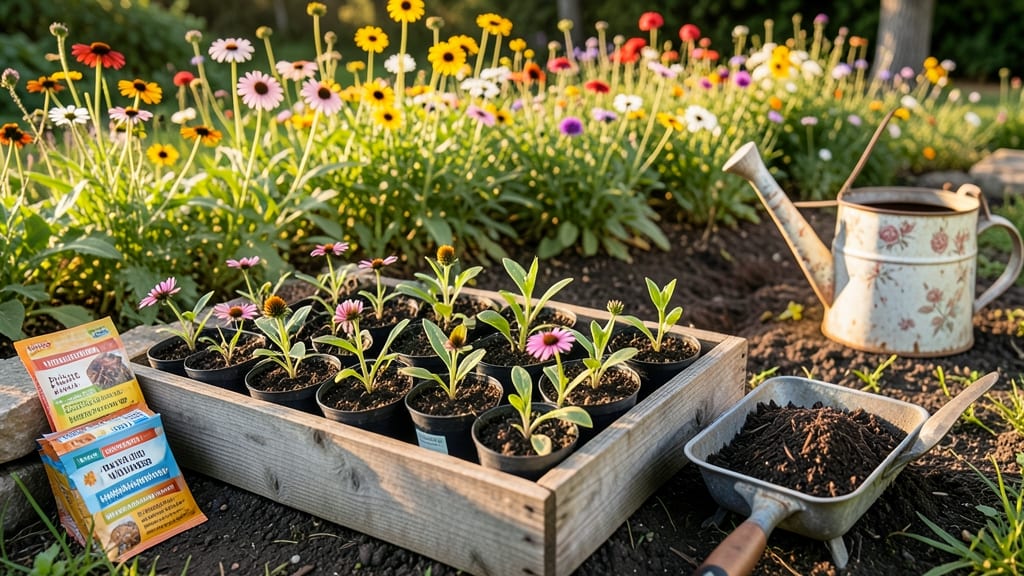
When to plant wildflowers in Zone 7 just right can mean the difference between a breathtaking summer garden and a disappointing patch of dirt. Plant them too early, and frost will nip their potential before they even sprout. Too late, and you might miss out on those vibrant blooms that turn your yard into a pollinator paradise.
I’ve learned the hard way that wildflowers thrive when planted at the perfect moment—either in early spring or early fall. These windows give them the best chance to establish roots before summer’s heat or winter’s chill sets in.
Whether you’re a seasoned gardener or just starting, getting this right is the key to a showstopping display from June through October.
What makes this even more exciting is that Zone 7’s mild climate gives you two opportunities to plant. Spring planting lets you enjoy blooms all summer, while fall planting ensures next year’s flowers get a head start.
The trick is knowing exactly when to pull the trigger—before the last frost in March or after the heat of summer fades in September.
In this guide, I’ll break down the best months for planting, how to prep your soil, and what to watch for so your wildflowers not only survive but thrive. Let’s get those seeds in the ground at the perfect time for a garden that’s bursting with color all season long.
Optimal planting months for wildflowers in Zone 7 by seasonal type
Timing your wildflower plantings in Zone 7 can transform a lackluster garden into a vibrant, year-round spectacle. The key lies in understanding whether your wildflowers are cool-season or warm-season varieties, as their planting windows differ dramatically.
Cool-season wildflowers like bluebonnets and lupines thrive when planted in early spring or fall, while warm-season favorites such as black-eyed Susans and coneflowers need that late spring to early summer window to establish strong roots before summer heat arrives.
Native wildflowers often have the advantage of being perfectly adapted to Zone 7's 180 frost-free days, but even they require precise timing. Planting too early risks frost damage, while planting too late can result in weak, leggy plants that struggle to bloom.
My strategy? I always stagger plantings—some in March for early blooms and others in September for fall color. This ensures continuous blooms from April through October, with minimal gaps.
| Wildflower Type | Best Planting Months | Bloom Season | Sunlight Needs | Soil Prep Tip |
|---|---|---|---|---|
| Cool-Season Annuals (e.g., Sweet Alyssum, Calendula) | March–April or September–October | Spring/Fall | Full sun to partial shade | Loosen soil 4–6 inches deep |
| Warm-Season Annuals (e.g., Cosmos, Zinnias) | April–May (after last frost) | Summer to early fall | Full sun required | Mix compost for moisture retention |
| Cool-Season Perennials (e.g., Lupines, Phlox) | September–October (fall) or March (spring) | Spring to early summer | Partial shade to full sun | Add mulch after planting |
| Warm-Season Perennials (e.g., Coneflowers, Black-Eyed Susans) | April–May (spring) or August (late summer) | Summer to frost | Full sun essential | Avoid over-fertilizing |
| Native Wildflowers (e.g., Bluebonnets, Blanket Flowers) | September–October (fall) or March (spring) | Spring or fall (varies by species) | Full sun preferred | Minimal soil disturbance |
For cool-season wildflowers, I always prioritize September to October plantings because the soil stays warm enough for roots to establish before winter dormancy. This gives them a head start in spring blooms when temperatures rise.
For example, lupines planted in late September often burst into bloom by April, creating a stunning early-season display. The trick is to water deeply after planting to encourage root growth before the first frost.
Warm-season wildflowers, on the other hand, demand April to May plantings to avoid the Zone 7 heatwave that peaks in July. Varieties like cosmos and zinnias germinate quickly in warm soil and bloom prolifically if given full sun.
I’ve found that direct sowing these seeds after the last frost date (March 15) yields the best results, as they dislike being transplanted. If you miss this window, a late summer (August) planting can still work for fall color.
Native wildflowers are my go-to for low-maintenance gardens because they’re already adapted to Zone 7’s climate and soil. Bluebonnets, for instance, thrive when planted in September and bloom spectacularly in spring. The key is to avoid overworking the soil—native plants prefer minimal disturbance.
I often scatter seeds directly onto prepared beds and lightly rake them in, mimicking natural conditions. This method also attracts pollinators like butterflies and bees almost immediately.
One mistake I see often is planting warm-season wildflowers too early, which leads to weak, etiolated seedlings. To avoid this, I always check the 7-day forecast before planting. If frost is predicted within 10 days, I delay until conditions stabilize.
For cool-season varieties, I err on the side of early planting—even a few weeks before the ideal window can make a difference in bloom timing. The goal is to have flowers emerging just as the last frost passes or before the first frost arrives.
Pro tip: Use mulch after planting to retain moisture and regulate soil temperature. I prefer straw or wood chips because they break down slowly and improve soil structure over time. This is especially critical in Zone 7’s hot summers, where soil can dry out quickly
Zone 7 wildflower planting calendar: a month-by-month guide
Timing your wildflower planting in Zone 7 can transform a patch of dirt into a vibrant pollinator haven. The key is planting at the right moments—either just as winter loosens its grip in spring or as summer’s heat begins to ease in fall.
These windows give your wildflowers the best chance to establish strong roots before facing extreme temperatures or drought.
I’ve found that March and September are the sweet spots for most wildflowers in this zone. Planting in these months ensures your flowers have time to grow before summer’s peak heat or winter’s first frost.
But don’t worry if you miss these windows—there are still opportunities in April and October for a slightly delayed but still successful display.
- 1 March: Plant cool-season wildflowers like lupine and bluebonnet after the last frost date (around March 15). Loosen soil and mix in compost for better germination.
- 2 April: Sow warm-season varieties like black-eyed Susan and coneflower once soil temperatures reach 60°F. Water lightly daily to keep seeds moist.
- 3 May-July: Avoid planting new seeds during peak summer heat. Instead, focus on watering established plants and removing weeds to reduce competition.
- 4 September: Plant fall wildflowers like aster and goldenrod for next year’s blooms. Soil stays warm enough for root growth but cools for seedling survival.
- 5 October: Sow late-blooming perennials like Russian sage before the first frost (November 15). Mulch lightly to protect young plants from cold snaps.
For continuous color, I recommend staggering your plantings by 2-3 weeks. This ensures some flowers are always in bloom, from early spring’s lupine to late fall’s aster.
Start with a mix of annuals and perennials—annuals like cosmos will bloom all summer, while perennials like coneflower will return year after year.
After planting, keep the soil moist but not soggy for the first few weeks. Wildflowers are surprisingly drought-tolerant once established, but young seedlings need consistent moisture to thrive. A light layer of mulch helps retain moisture and suppress weeds, giving your wildflowers a competitive edge.
Don’t forget to choose native species whenever possible. They’re adapted to Zone 7’s climate, require less water, and provide essential habitat for local pollinators. My favorite native picks for this zone include purple coneflower, black-eyed Susan, and butterfly weed—all of which attract bees, butterflies, and hummingbirds.
With this month-by-month approach, you’ll enjoy a garden bursting with color from May through October, all while supporting local ecosystems. The secret? Planting at the right time and giving your wildflowers the care they need to take root and flourish.