
Flowers
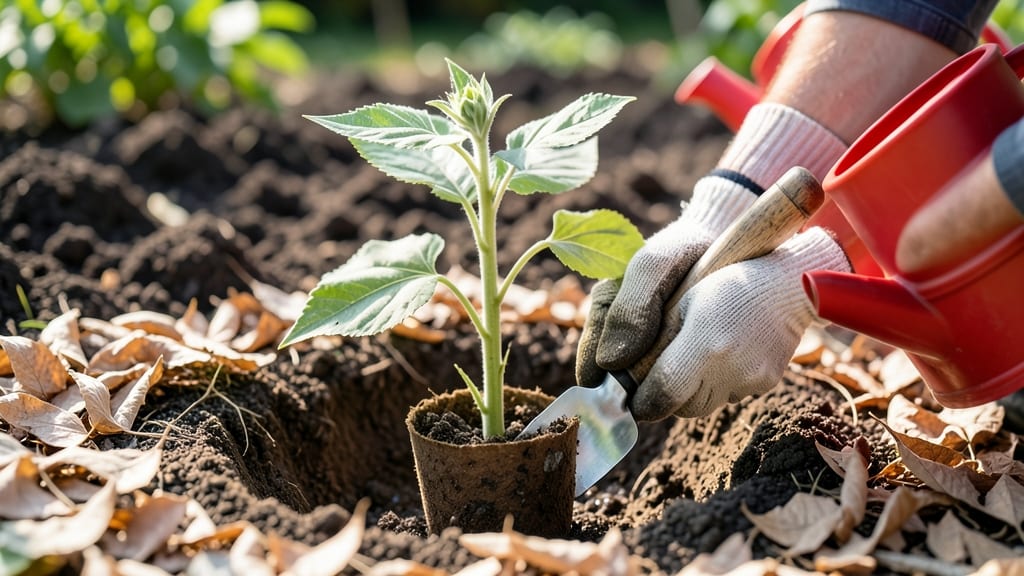
Transplanting your sunflowers 🌻 at how deep to transplant sunflowers the wrong depth can turn your towering dreams into stunted disappointments—but here's the secret: getting it right is easier than you think. Too deep, and you risk rotting roots; too shallow, and your stems wobble like jelly.
The perfect balance isn't just about inches—it's about setting your plants up for stronger growth from day one.
I've learned the hard way that sunflower roots need space to breathe, but they also crave stability. The ideal transplant depth—just 1-2 inches below soil level—makes all the difference between a floppy stem and a sturdy giant.
Let me show you exactly how to measure it right, plus the pro tips that keep your sunflowers reaching for the sky instead of tilting sideways.
What if you're working with seedlings instead of seeds? The rules change slightly, and I'll walk you through the adjustments. We'll also cover the most common mistakes that sabotage sunflower growth—like burying the crown too deep or spacing plants too closely—and how to avoid them before they become problems.
From your 6a zone planting window to post-transplant care, this guide gives you everything you need to transplant sunflowers like a pro. Ready to grow sunflowers that make your neighbors jealous? Let's get started.


Optimal sunflower root depth for transplanting: science-backed guidelines
Sunflowers thrive when transplanted at the correct root depth, which directly impacts their stem strength and overall growth. The ideal depth ensures the root system develops properly while preventing stem rot or weak anchorage.
For most sunflower varieties, the root ball should be buried 2-3 inches deep, with the crown (where roots meet the stem) at soil level. This balance allows roots to spread horizontally while the stem remains upright and sturdy.
Understanding sunflower root development is key. Sunflowers grow taproots that can extend 4-6 feet deep in search of water and nutrients. When you transplant, the primary root should point downward, while secondary roots spread outward.
Burying the root ball too deeply can strangle the stem and restrict airflow, while planting too shallowly leaves roots exposed to drying winds and heat. The goal is to support stability without compromising growth.
| Transplanting Factor | Recommended Specification | Why It Matters |
|---|---|---|
| Root Ball Depth | 2-3 inches deep | Prevents stem rot while allowing roots to anchor |
| Crown Position | At soil level | Ensures proper airflow and prevents decay |
| Primary Root Direction | Downward (45-60° angle) | Encourages deep taproot growth for stability |
| Soil Firmness | Gently pressed (not compacted) | Allows roots to penetrate easily without resistance |
| Post-Transplant Watering | Deep soak (1-2 inches) | Encourages root expansion into surrounding soil |
The crown of a sunflower—where the roots meet the stem—must never be buried. When planted too deep, the crown can rot due to lack of oxygen and excess moisture.
This weakens the plant's ability to transport nutrients and support the stem, often leading to lodging (when stems bend or fall over).
For giant varieties like 'Mammoth' or 'Russian Giant', proper depth is even more critical because their taller stems (up to 14 feet) require a strong root anchor.
Sunflowers with shallow root systems, like dwarf varieties such as 'Teddy Bear', can handle slightly shallower transplanting (1-2 inches deep). However, even these benefit from having their crowns exposed at soil level. The key is to match the planting depth to the mature plant size.
Taller varieties need deeper roots to stabilize their height, while shorter types can thrive with moderate root depth. Always loosen the soil around the root ball before transplanting to reduce root stress and encourage faster establishment.
After transplanting, water deeply to help settle the soil around the roots. This eliminates air pockets that can strangle new roots. Over the next 7-10 days, monitor the soil moisture—it should remain consistently damp but not waterlogged.
Mulching around the base with 2-3 inches of straw helps retain moisture and regulate soil temperature, both of which support root growth. Avoid mulching too close to the stem, as this can trap excess moisture and promote rot.
One common mistake is over-deepening seedlings in hopes of added stability. While this might seem logical, it restricts root expansion and can girdle the stem as the plant grows. Instead, focus on firming the soil gently around the root ball to lock it in place without burying it.
For container-grown sunflowers, remove the plant from its pot and tease the roots outward slightly before transplanting to encourage spread root growth in the new location.
Sunflowers also benefit from staking or caging if grown in windy areas or for tall varieties. Install supports immediately after transplanting to prevent stem bending as the plant matures. The deeper the roots anchor, the more resistant the stem becomes to environmental stress.
Over time, a properly transplanted sunflower will develop a strong taproot system that supports its full height potential, whether that's a compact 3-foot dwarf or a towering 14-foot giant.
To test if your transplanting depth
Common transplanting mistakes that weaken sunflower growth
Even with the perfect transplanting depth, sunflowers can still struggle if you make these 5 critical mistakes. I’ve seen healthy seedlings turn into floppy, weak plants because of errors that seem small but have big consequences.
The most common issue? Over-deepening roots—when you bury seedlings too far, they suffocate and rot instead of growing.
Another frequent problem is burying the crown too deep. Sunflowers need their crown (where roots meet stem) to stay at or just above soil level. When buried, it traps moisture and leads to stem rot, killing your plant before it even matures.
Even worse, improper spacing causes competition for nutrients, leaving your sunflowers stunted and leaning.
⚠️ Wrong Depth = Weak Sunflowers
How deep to transplant sunflowers? The root ball should sit 1-2 inches below soil, with the crown at soil level. Any deeper, and you risk rot—any shallower, and stems wobble in wind. Use your finger to check: the top of the root ball should be just below your first knuckle.
Let’s break down the 5 biggest mistakes and how to fix them before they derail your sunflowers. First up: over-deepening roots. When you plant seedlings too deep, the taproot (sunflowers’ main root) struggles to push upward, leading to stunted growth.
I once buried a batch 3 inches deep—by mid-summer, they were barely knee-high instead of towering over my fence.
Next, burying the crown is a silent killer. The crown should peek above soil level, never buried. If it’s hidden, excess moisture causes fungal infections like damping-off. To fix this, gently lift the plant and adjust the soil level before backfilling.
A quick trick: use a toothpick to mark the crown’s original position before transplanting.
Improper spacing is another top mistake. Crowded sunflowers compete for water and nutrients, resulting in weak stems that snap in storms. Space dwarf varieties 12 inches apart and giants 24-36 inches away. I learned this the hard way when my Mammoth sunflowers leaned into each other like drunken dancers.
Don’t forget skipping soil prep. Sunflowers thrive in loose, well-draining soil. Compacted or clay-heavy soil strangles roots, even at the right depth. Amend with compost before transplanting, and avoid walking on the bed—it compresses the soil and reduces airflow to roots.
Finally, transplanting at the wrong time weakens sunflowers. Move seedlings when they have 4-6 true leaves and temperatures stay above 50°F. Transplanting too early exposes them to frost, while waiting too long stresses established roots.
Time it right, and your sunflowers will reward you with sturdy stems and vibrant blooms.