
Blooming
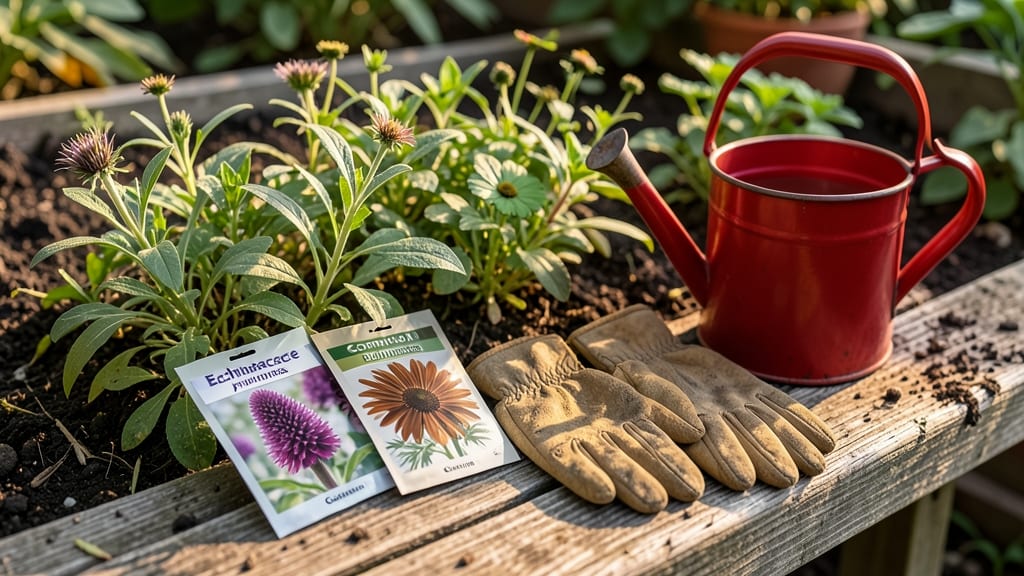
If you’ve ever scattered wildflower seeds 🌼 only to stare at bare soil for weeks, wondering how long for wildflowers to sprout, you’re not alone. Some varieties pop up in just 5 days, while others take 3 weeks—and the difference often comes down to light, not patience.
Annuals like cosmos and zinnias might surprise you with sprouts in 7–14 days under ideal conditions, but perennials like black-eyed Susans or coneflowers can be slowpokes, needing 21+ days to break through the soil.
The trick? Many seeds need darkness to germinate—covering them lightly with soil or using a damp paper towel mimics their natural habitat.
Temperature and moisture matter too, but light exposure is the game-changer most guides overlook. Too much sun can dry them out before they sprout, while too little leaves them dormant. I’ll show you exactly how to balance these factors so your wildflowers don’t just sprout—they thrive.
Ready to skip the guesswork? Let’s dive into the science-backed timelines and lighting hacks that’ll have your wildflowers popping up faster than you expect.
Wildflower germination timelines by seed type: fast vs slow sprouters
If you've ever planted wildflower seeds and waited impatiently for sprouts, you're not alone. Some wildflowers pop up in as little as 3 days, while others take 60 days or more to break through the soil.
The difference often comes down to seed type—whether they're annuals or perennials—and their light exposure needs. Understanding these timelines can transform your wildflower garden from a gamble to a guaranteed burst of color.
Annual wildflowers like cosmos and zinnia typically sprout faster because they've evolved to germinate quickly in warm, ephemeral conditions. Perennials, such as black-eyed Susans or coneflowers, often have slower germination rates due to tough seed coats designed to survive harsh winters.
Even within these categories, light requirements can drastically alter sprouting speed—some seeds need darkness to germinate, while others require sunlight.
Cold stratification is another critical factor for many wildflower seeds. Species like lupines and poppies often require a period of cold treatment to break dormancy, which can add 2-4 weeks to their germination timeline. Without this step, you might be waiting months for results. Let’s break down the specifics so you can set realistic expectations and plan your garden accordingly.
For annual wildflowers, the fastest sprouts often come from seeds like cosmos and zinnias, which can appear in as little as 3–14 days when planted in warm soil. These seeds typically prefer sunlight to trigger germination, so avoid burying them too deep—just press them gently into the soil.
If you're planting in early spring or fall, soil temperatures below 60°F can delay germination by weeks, so consider using a seedling heat mat or waiting for warmer conditions.
Perennial wildflowers, on the other hand, often have slower germination timelines due to their hardy seed coats. For example, lupines and poppies may take 30–60 days to sprout, especially if they haven’t undergone cold stratification. This process mimics winter conditions and helps break down the seed’s protective layers.
If you’re impatient, you can simulate stratification by placing seeds in a plastic bag with damp peat moss and refrigerating them for 4–8 weeks before planting.
Light exposure is another game-changer. Some wildflower seeds, like those of black-eyed Susans and coneflowers, need darkness to germinate. This means you should lightly cover them with soil (about ¼ inch deep) rather than exposing them to light.
Others, like poppies and lupines, require sunlight to kickstart the process. Planting them too deeply can stunt their growth or prevent germination entirely.
If you’re sowing seeds in late summer or early fall, some species may naturally stratify over winter and sprout in early spring. This is especially true for perennial wildflowers, which often have a built-in delay to ensure they establish roots before facing harsh weather.
For instance, coneflowers planted in fall might not sprout until the following spring, but they’ll reward you with
Light tricks to speed up wildflower sprouting (what most guides miss)
Most wildflower seed packets tell you to scatter and forget, but the truth is, light exposure determines whether your seeds sprout in 7 days or 3 weeks.
Some seeds, like cosmos or zinnias, need sunlight to germinate, while others, such as lupines or poppies, require darkness to break dormancy. Understanding this light-dark balance can cut your waiting time in half.
For example, photoblastic seeds (those needing light) should be planted just ¼ inch deep—any deeper and they’ll rot before sprouting. Meanwhile, skotoblastic seeds (darkness-lovers) need a ½-inch soil cover to trigger germination. The key is knowing which category your wildflowers fall into before you plant.
Light Exposure Methods for Faster Germination
| Method | Pros | Cons |
|---|---|---|
| Shallow Planting (¼ inch) | Ideal for sun-loving seeds like cosmos | Risk of drying out in hot climates |
| Light Soil Cover (½ inch) | Triggers darkness-dependent seeds like poppies | May block light for photoblastic seeds |
| Pre-Soaking Seeds | Speeds up hard seed coats (e.g., lupines) | Can cause rot if over-soaked |
| Scarification (Nick Seeds) | Breaks dormancy in tough shells | Requires sterilized tools to avoid disease |
💡 Pro Tip: Use a seedling heat mat (70–80°F) to double germination speed for light-sensitive seeds.
Another trick is using alternating light-dark cycles for stubborn seeds. Place them in a seed tray under grow lights for 12 hours, then cover with a damp cloth for 12 hours of darkness. This mimics natural conditions and can jumpstart germination in 3–5 days instead of weeks.
If you’re planting in late fall or early spring, consider a cold stratification hack: mix seeds with damp sand in a bag and refrigerate for 4–6 weeks. Once chilled, they’ll often sprout within 7–10 days when exposed to light and warmth.
For container gardening, use clear plastic domes to create a humid, light-controlled environment. Remove the dome once sprouts appear to prevent fungus gnats or mold. This method works especially well for slow-sprouting perennials like black-eyed Susans.
Remember, consistency is key. Keep soil moist but not soggy—a spray bottle works best for shallowly planted seeds. With the right light tricks, you’ll see those first tiny green shoots in as little as 5–14 days, not months. Happy planting! 🌱