
Diseases
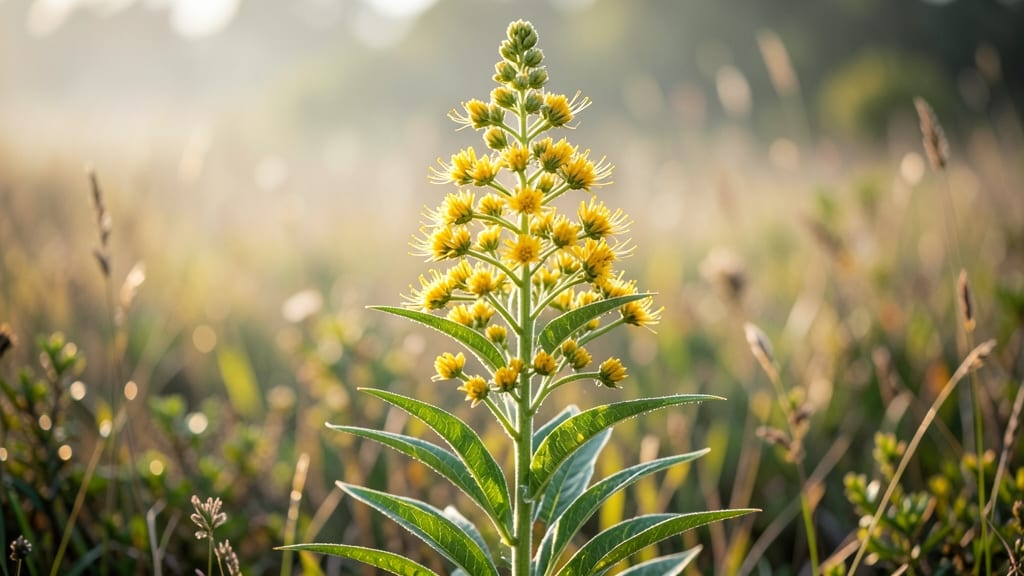
When your yellow flower stalk starts turning soft and droopy, it’s not just wilting—it’s crying out for help. Goldenrod 🌼 and other sun-loving plants often send this warning sign when they’re drowning in too much water, and the damage can spread fast if you don’t act.
Overwatering is sneaky—it’s easy to assume your plants need more hydration, especially in hot weather, but soggy roots and yellowing stems are red flags. The good news? With the right adjustments, you can revive your Goldenrod before the problem worsens.
In this guide, I’ll walk you through the 6 key signs of overwatered flower stalks and the simple fixes to save them. Whether it’s adjusting your watering schedule or improving drainage, these steps will help your plants bounce back stronger.
Don’t let a little yellowing turn into a full-blown disaster—let’s get your Goldenrod thriving again with these easy, expert-approved solutions.
6 Clear signs your yellow flower stalk is overwatered (and what to do next)
Your yellow flower stalks like sunflowers or dahlias are supposed to stand tall and proud—but when they start wilting or turning yellow, it’s often a cry for help. Overwatering is one of the most common mistakes gardeners make, even with sun-loving plants.
Too much water cuts off oxygen to roots, inviting fungal infections and root rot. The good news? Catching these signs early can save your plants before they collapse completely.
I’ve seen this happen with my black-eyed Susans and coreopsis—both gorgeous yellow bloomers that wilted dramatically after a week of heavy rains and my "just in case" watering routine. The key is learning to read your plants’ signals before it’s too late.
Let’s break down the 6 clear signs your yellow flower stalks are drowning—and what to do about it right away.
-
1
Mushy, Soft Stems
Press a stalk—if it feels squishy or oozes water, roots are rotting from excess moisture. Common in sunflowers and lilies. -
2
Yellowing Leaves (Bottom-Up)
Older leaves turn yellow first—this is chlorosis, a sign roots can’t absorb nutrients due to waterlogged soil. -
3
Foul Smell from Soil
A sour or rotten odor means anaerobic bacteria thrive in compacted, soggy soil. Dig down an inch—if it smells bad, act fast. -
4
White or Gray Fungal Growth
Moldy spots on stems or soil surface? That’s powdery mildew or root rot, both thriving in overly wet conditions. -
5
Stunted or Drooping Blooms
Budding yellow flowers that refuse to open or wilt by midday? Roots can’t support the plant due to oxygen deprivation. -
6
Slow or No New Growth
If your coreopsis or marigolds stop producing new stalks, roots are struggling to function in waterlogged conditions.
If you’ve spotted even one or two of these signs, your plants are already stressed. The good news? Most yellow-flowering stalks can bounce back with immediate adjustments. Start by reducing watering—let the top 2 inches of soil dry out between waterings.
For container-grown plants, check drainage holes and switch to pots with better aeration.
For fungal infections, trim away mushy stems with sterilized shears and treat the base with neem oil or copper fungicide. I’ve had great success reviving overwatered dahlias by repotting them in sandy, well-draining mix and placing them in full sun to dry out faster.
The key is consistency—once you’ve fixed the issue, stick to a watering schedule that matches your plant’s needs.
Remember, yellow flower stalks like sunflowers and black-eyed Susans actually prefer moderate moisture—they’re not tropical plants craving soggy soil. Think of them like goldilocks: not too dry, not too wet, but just right.
With the right care, your stalks will rebound and bloom even more vibrantly next season.
🌼
How to fix overwatered yellow flower stalks: a step-by-step rescue guide
If your Goldenrod 🌼 or other yellow-flowering plants are showing signs of overwatering—like yellowing stalks or mushy stems—don’t panic. The key to revival is acting fast with the right diagnosis and care.
Overwatering disrupts root health, leading to nutrient deficiencies and fungal growth, but with these steps, you can nurse your plants back to life.
Start by assessing the damage and gathering your tools. You’ll need pruning shears, a trowel, perlite or sand for drainage, and organic compost.
The goal is to improve soil health, adjust watering habits, and remove affected areas to prevent further spread. Let’s dive into the rescue plan.
Step-by-Step Rescue Plan for Overwatered Yellow Flower Stalks
-
Step 1: Stop Watering Immediately
Let the soil dry out completely. Check moisture by sticking your finger 1-2 inches deep—if it’s damp, wait 2-3 more days before watering again.
-
Step 2: Prune Damaged Stalks
Use sterilized pruning shears to cut back yellow or mushy stalks at the base. This prevents fungal spread and redirects energy to healthy growth.
-
Step 3: Improve Drainage
Amend the soil with perlite or coarse sand (1 part perlite to 3 parts soil). For potted plants, ensure drainage holes are clear and add a layer of gravel at the bottom.
-
Step 4: Adjust Watering Schedule
Water only when the top 1-2 inches of soil are dry. For Goldenrod, aim for deep watering every 5-7 days in summer and bi-weekly in fall. Avoid evening watering to reduce fungal risk.
-
Step 5: Add Organic Compost
Mix in 2-3 inches of compost around the base to improve soil structure and nutrient uptake. This helps roots recover faster and supports future growth.
-
Step 6: Monitor for Fungal Signs
Watch for white mold or black spots on leaves. If present, treat with neem oil or copper fungicide as a preventative measure.
-
Step 7: Mulch to Retain Moisture
Apply a 2-inch layer of mulch (like straw or wood chips) to keep soil moisture even and reduce evaporation. This also suppresses weeds that compete for nutrients.
After following these steps, your Goldenrod 🌼 should show signs of recovery within 1-2 weeks. Focus on consistent care—like morning watering and weekly soil checks—to keep your plants thriving.
If stalks remain yellow or wilted after 3 weeks, consider transplanting to a sunnier spot or testing soil pH for deficiencies.
Remember, prevention is key. Overwatering is often a habit, so adjust your routine to match your plant’s needs. For sun-loving flowers, less frequent but deeper watering works best. With these adjustments, your garden will soon be bursting with vibrant yellow blooms again! 🌻